
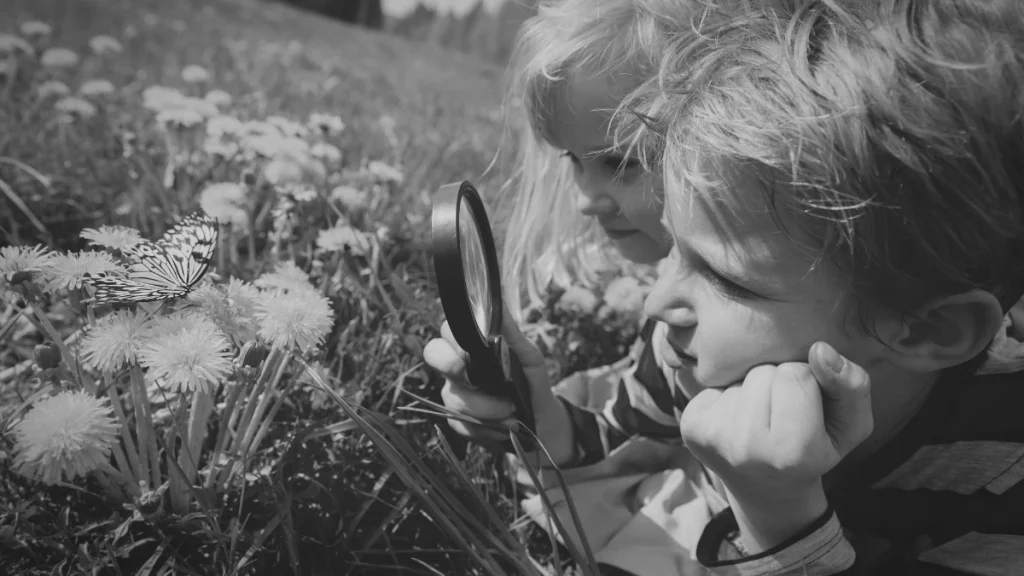
If you are new to home education or seriously considering it you might be wondering: what is deschooling? Many families first hear this term when they begin home education, especially after a difficult school experience. In a nut shell, deschooling is the transition period after deregistering from school, where children and parents have time to rest, reconnect and let go of school-based habits, pressures, and expectations.
Put simply, deschooling is not about doing nothing. It is about creating space to recover, reset, and rebuild a healthier relationship with learning.
Quick answer
Deschooling is the adjustment period between school and home education. It gives children time to decompress, regulate, and reconnect with their curiosity before stepping into a new way of learning. For many families, it is one of the most important parts of starting home education on the right foot.
Why deschooling matters
Children do not usually leave school and instantly feel calm, confident, and ready to learn in a new way. Most feel exhausted. Some feel anxious. And many resist anything that looks like learning because ‘learning’ has become associated with stress or pressure.
Deschooling gives your child time to:
- rest
- regulate
- reconnect with themselves
- rediscover interests
- rebuild trust in learning
- feel safe again
It also gives you, as a parent or carer, time to step back from school-based thinking, observe how your child learns naturally outside the classroom, and begin discovering the kind of home education approach that may suit you both.
What does deschooling look like?
Deschooling looks different for every family. For some, it involves lots of rest, free play, reading, walks, baking, outings, and slow days at home. For others, it includes gently exploring new interests without pressure.
Deschooling might look like:
- sleeping more
- spending more time outdoors
- following your child’s curiosity
- visiting museums, parks, libraries, or classes
- doing low-pressure creative activities
- watching documentaries
- having longer conversations
- stepping away from formal lessons for a while
Learning is still happening. It is just not being driven by school-style pressure.
A helpful next step for deschooling
If deschooling feels overwhelming, or you are wondering what this might actually look like day to day, I’ve created a free 30 Days of Deschooling choice board to give you a simple activity idea for each day and help your child rediscover what they enjoy, what interests them, and what learning can feel like outside school. Sign up below to receive my Free Home Ed Toolkit now to access your free 30 Days of Deschooling Choice Board, and many more goodies to help you on your journey!
How long should deschooling last?
There is no perfect timeline. Some families deschool for a few weeks, while others take several months. It all depends on your child’s age, personality, school experience and emotional state.
You may hear the rule of thumb of allowing one month for every year of school, but this is only a rough guide; not a rule. Some children need less time. Others need much more. The better question is: What does my child need right now?
Signs your child may need deschooling
Your child may benefit from a proper deschooling period if they are:
- exhausted or burnt out
- anxious about learning
- resistant to anything that feels like school
- emotionally dysregulated after leaving school
- constantly asking for permission
- unsure how to use free time
- disconnected from their own interests
- used to seeing learning as pressure rather than joy
Many children need time to realise that home education is not just school at home.
What deschooling is not
Deschooling is not laziness. It is not giving up on education. It is not falling behind.
It is a purposeful pause that helps future learning feel safer, more meaningful, and more sustainable.
For many families, deschooling is one of the most valuable parts of the home education journey because it helps everyone begin from a healthier place.
Gentle next steps
If your child has recently left school, try not to rush straight into a full timetable. Start by observing, listening, and reconnecting. Notice what helps your child feel calm, interested, and engaged.
You do not need to recreate school at home straight away (or ever!). For many children, that is exactly what deschooling is helping them to recover from.
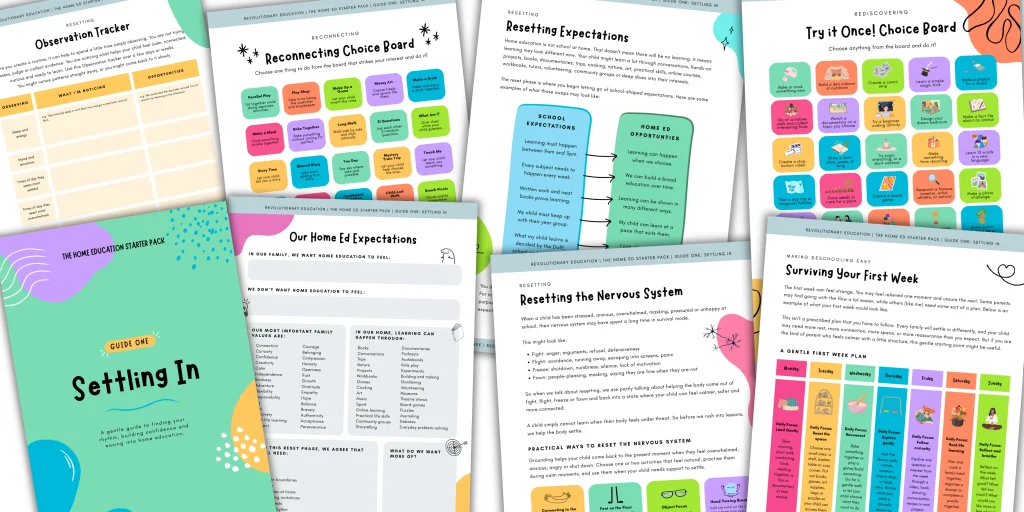
Deschooling doesn’t have to feel confusing. Our Settling In Guide walks you through the first six weeks of home education with gentle structure, reassurance, and practical steps, helping you and your child slow down, decompress, and begin finding a rhythm that works beyond school. Get the guide here.
FAQs
What is deschooling in home education?
Deschooling is the adjustment period after leaving school, where children and parents have time to let go of school habits and settle into a different way of learning.
How long should deschooling last?
There is no fixed timeline. Some families deschool for weeks, others for months. It depends on the child and their experience of school.
Is deschooling the same as doing nothing?
No. Deschooling is not about doing nothing. It is about allowing rest, recovery, curiosity, and natural learning without pressure.
Do all children need deschooling?
Not always, but many do. It can be especially helpful for children who are burnt out, anxious, overwhelmed, or recovering from negative school experiences.
Can learning still happen during deschooling?
Yes. Learning often continues through play, conversation, reading, outings, hobbies, and everyday life.
Conclusion
Deschooling is the gentle transition between school and home education. It gives children the time and space to rest, recover, and begin learning in a new way. If your child has had a difficult experience in school, deschooling can be a powerful first step towards rebuilding trust, curiosity, and confidence.
Other blogs you may find helpful
- What is home education? A clear UK guide for parents
- Is home education right for my child?
- What if I regret deregistering?
- How to plan your child’s learning at home
If you are at the beginning of your home education journey, give yourself permission to slow down. And if you want practical support, download our free home ed toolkit with 30 days of deschooling activities to help your child explore their curiosity and fall in love with learning again.