
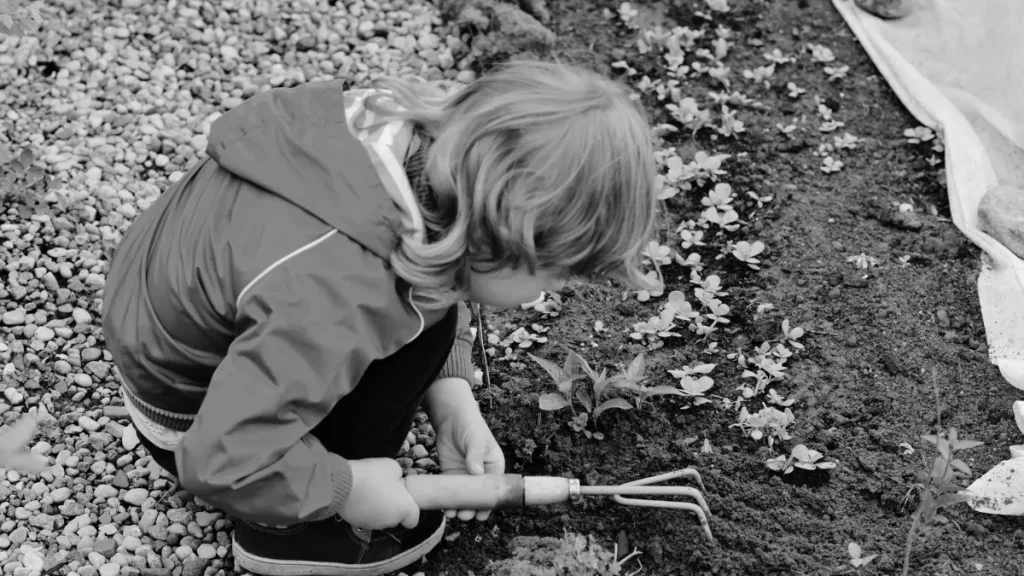
If you are asking is home education right for my child, you are probably carrying a lot already. For some families, this question comes from curiosity and wondering what all the hype is about. For others, it comes after stress, unmet needs, anxiety or a sense that school is no longer working. In the UK, parents can educate their child at home, and this is commonly called home education or elective home education.
Quick answer
Home education can be a positive option for children, especially when it is chosen thoughtfully and with proper regard for the child’s needs. Government guidance for parents says home education works well when it is a positive choice and carried out with the child’s needs in mind.
That does not mean it is automatically the right fit for every child or every family at every moment. A better question is often not just “Is home education right?” but “Is this the right option for my child and our family right now?”. Below are 5 questions you should ask yourself if you’re considering if home education is right for your child.
1. Is my child thriving in school, or just coping?
This is often the most important question. Some children are doing fine in school. Others are surviving rather than thriving. You may be noticing anxiety, burnout, masking, school refusal, low self-esteem, or a child who seems increasingly dysregulated.
Home education is not only chosen by families who always planned it. Ofsted found that some children move into home education after school has not met their needs, especially where children have complex needs.
2. What does my child actually need in order to feel safe and able to learn?
Children learn best when they feel safe, understood, and able to engage. If your child needs more flexibility, a calmer pace, more movement, more rest, more autonomy, or a more personalised approach, it may be worth asking whether school can realistically provide that, or whether home education might.
Official guidance makes clear that parents who home educate are responsible for making sure their child receives a suitable education, taking account of age, ability, aptitude, and any special educational needs.
3. Am I choosing home education from a place of clarity, not just crisis?
Sometimes home education is a deeply positive and intentional choice. Sometimes it is considered during a crisis. Both are real. But it helps to pause and ask whether you have enough space to think clearly.
Government guidance says home education works best when it is a positive choice made with proper regard for the child’s needs.
If you are making this decision in the middle of overwhelm, that does not mean home education is wrong. It just means you may need support, information, and breathing room before taking the next step.
4. Do we have the capacity to make this work as a family?
This question is not about being perfect. It is about being honest. Home education can require time, emotional energy, flexibility, and practical problem-solving. Families may also need to think about work, finances, social opportunities, routines, and support networks.
GOV.UK states that parents can teach their child at home and do not have to follow the National Curriculum, but they are responsible for ensuring their child receives a full-time education from compulsory school age.
That can look different for every family. The goal is not to recreate school at home. It is to ask whether you can create a learning life that is suitable, sustainable, and supportive.
5. Is this right for us now, even if it is not forever?
Home education does not have to be framed as a forever decision to be a meaningful one. For some families it becomes a long-term path. For others, it is what a child needs for a particular season.
What matters most is whether this choice supports your child’s wellbeing, development, and access to a suitable education right now. Families are allowed to think carefully, reassess, and make decisions based on the child in front of them rather than outside pressure. That is an inference based on the parental responsibility and suitability principles in the official guidance.
A gentle reminder
If you are asking whether home education is right for your child, you do not need to have every answer immediately. You are allowed to gather information, reflect honestly, and think about both your child’s needs and your family’s capacity.
Sometimes the right next step is not making the whole decision today. Sometimes it is simply understanding what home education actually is and what it could look like.
You might find it helpful to read What Is Home Education? A Clear UK Guide for Parents next.
FAQs
Is home education legal in the UK?
Yes. Parents can educate their child at home in the UK, though the detailed process and guidance can vary between nations. The GOV.UK guidance cited here applies to England.
Do I have to follow the national curriculum if I home educate?
In England, parents do not have to follow the National Curriculum when home educating, but they must provide a suitable education.
Can home education be right for children with SEND?
It can be, depending on the child and family. Official guidance says suitability includes the child’s age, ability, aptitude, and any special educational needs.
Does home education have to look like school at home?
No. Official guidance focuses on suitable education, not on copying school structures exactly.
Conclusion
If you are still in the early stages of exploring this decision, start by understanding the basics. Read What Is Home Education? A Clear UK Guide for Parents for a simple, reassuring introduction to what home education means in the UK.