

Emotions talk cards are a gentle and practical way to help little learners find words for big feelings. This printable set of emotions talk cards has been created to support children as they recognise emotions, describe body sensations, and begin to say what they need in a safe and child-centred way.
Designed for early years learners, these I feel talk cards EYFS feature diverse real-photo images and simple sentence stems such as “I feel…”, “My body feels…”, “I feel … when I hear …”, “I need a … break”, and “Right now I choose …”. These prompts make it easier for children to begin talking about feelings, needs, preferences, and experiences without needing to generate all the language on their own.
In the early years, children need warm, supportive opportunities to name and express emotions. Department for Education guidance explains that adults should provide words and meanings so children can name and express emotions, and that children benefit when adults listen fully to what they communicate through actions, sounds, body language, and words. That makes these emotions talk cards a strong fit for EYFS classrooms, nurture groups, calm corners, and home learning routines.
Why Choose Emotions Talk Cards?
These emotions talk cards are designed to help children feel safe, seen, and supported as they begin to communicate about feelings. Rather than asking open-ended emotional questions that may feel overwhelming, these cards offer structure and predictability through simple visual prompts and repeatable language patterns.
That makes these feelings discussion cards especially useful for children who may need a little more support with communication, including some autistic children, anxious learners, shy children, and those who benefit from clear routines and visual scaffolds. The format helps reduce pressure while still encouraging meaningful participation.
Department for Education guidance on early years interactions explains that children’s communication develops through responsive adult interaction and that the number and quality of conversations they have in a language-rich environment is crucial. These emotions talk cards support exactly that kind of interaction by giving key adults a simple but powerful tool to start conversations that might otherwise feel difficult.
How Emotions Talk Cards Support Emotional Literacy
These emotions talk cards support more than naming happy or sad. They encourage children to notice body signals, link feelings to experiences, and express needs in a clear and manageable way. That is a valuable part of developing emotional literacy activity EYFS provision that feels practical rather than abstract.
Department for Education guidance states that strong, warm, and supportive relationships help children understand their own feelings and those of others, and that personal, social and emotional development is crucial for children to lead healthy and happy lives. These emotions talk cards help adults create those warm conversations by making emotional language easier to access.
This talking about feelings resource can help children:
-
name and recognise a wider range of emotions
-
describe body sensations linked to feelings
-
communicate needs such as help, space, rest, or reassurance
-
build confidence in speaking and listening
-
develop emotional vocabulary in a supported way
-
take part in calm, structured discussion activities
-
practise self-advocacy and choice-making
Because the cards include emotion and needs prompts, they are especially supportive for co-regulation and everyday classroom wellbeing. They do not ask children to hide or suppress feelings. Instead, they help normalise emotions and offer a language pathway for expressing them safely.
Ways to Use Emotions Talk Cards
There are lots of gentle and flexible ways to use these emotions talk cards across your setting. You might use them during circle time, morning check-ins, one-to-one key person conversations, calm corner routines, or nurture group sessions. They also work beautifully as a PSHE feelings activity EYFS resource and can support bedtime reflections or daily check-ins at home.
These printable emotions cards for kids work especially well for:
-
circle time and carpet discussions
-
check-in boards and calm corners
-
turn-taking speaking and listening games
-
one-to-one emotional literacy work
-
nurture groups and SEN support
-
communication prompts during co-regulation
-
home education and family reflection time
Because the prompts are short and child-friendly, these communication prompt cards EYFS are easy to revisit again and again. Over time, children may begin to internalise the language, becoming more confident in saying how they feel and what they need.
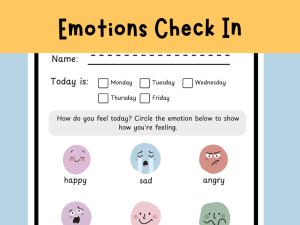
For a wider emotional literacy toolkit, these cards also pair beautifully with our Daily Emotions Check-In sheet, helping children move from recognising a feeling to talking about it in more depth.
You can also connect this resource to trusted Department for Education guidance on emotions and interactions, which reinforce the importance of giving children words for feelings and creating rich, responsive conversations.
What’s Included in These Emotions Talk Cards?
These printable emotions talk cards include:
✅ 16 emotion and needs flashcards
✅ Diverse real-photo images of children
✅ Sentence stems such as “I feel…”, “My body feels…”, and “I need…”
✅ A print-and-cut format that can also be laminated for reuse
✅ A flexible resource for calm corners, check-ins, and speaking activities
This makes them a practical and supportive set of I feel talk cards EYFS practitioners, parents, and home educators can use in lots of different ways.
Perfect For
These emotions talk cards are ideal for:
-
EYFS classrooms
-
circle time and carpet discussions
-
check-in boards and calm corners
-
SEN and nurture groups
-
one-to-one emotional literacy work
-
home education and bedtime reflections
-
children developing confidence with speaking and self-advocacy
If you are looking for a gentle, structured, and child-centred way to support emotional expression, these emotions talk cards are a valuable addition to your early years provision. Designed to help little learners talk about feelings, body cues, and needs with greater confidence, these feelings discussion cards support emotional literacy, communication, and self-advocacy in a way that feels safe, respectful, and empowering.

Reviews
There are no reviews yet.