

Student-centred learning has been a buzz word in education for some time now, but what does it actually mean? In this post, we’ll explore the meaning of student-centred education, debunk some myths and provide some easy to implement strategies to make your lessons more student-centred.
What student-centred learning is and where it came from

In 1762 Jean-Jacques Rousseau, a Swiss-born philosopher, writer, and composer published a book called Émile, or On Education. In it he argued that education should follow the natural development of the child, rather than being imposed by adult expectations. In his words, “Childhood has its own ways of seeing, thinking, and feeling; nothing is less sensible than to try and substitute our ways for theirs.” (Rousseau, Émile, Book I). Rousseau was one of the first known advocates of student-centred learning, believing that children learn best when they are free to explore and when learning is matched to their interests and developmental stage.
Though he wasn’t a teacher, Rousseau’s view had a profound and lasting influence on education, with his ideas laying the groundwork for many modern educational philosophies that came thereafter. John Dewey (1859–1952), a philosopher and educational reformer, later expanded on Rousseau’s student-centred ideas by promoting something called experiential learning, democratic classrooms, and learning by ‘doing’. He’s often considered the father of progressive education and a major figure in formalising student-centred learning as a pedagogical approach.
We can’t discuss student-centred philosophies without acknowledging Maria Montessori, a pivotal figure in holistic education. Around 1907, she developed the Montessori Method, drawing from her careful observations of children. This approach emphasised responding to each child’s individual needs and pace, with the teacher acting as a facilitator rather than a director of learning. As Montessori herself said, “The greatest sign of success for a teacher… is to be able to say, ‘The children are now working as if I did not exist.’” (Montessori, The Absorbent Mind (1949)). Deeply student-centred at its core, her work has profoundly shaped our understanding of child development and continues to influence how we nurture young learners today.
Student-centred learning is far from a new concept. For over a century, educational psychologists and theorists have studied and refined this approach, consistently recognising it as one of the most effective and meaningful ways to support learning. Rooted in the belief that learners thrive when they are actively engaged in their own development, student-centred education prioritises individual needs, interests, and experiences. Thinkers like Jean-Jacques Rousseau, John Dewey, Maria Montessori, and Lev Vygotsky all contributed to the foundation of this philosophy, emphasising the importance of autonomy, curiosity, and real-world relevance. Today, research continues to affirm that placing the student at the heart of the learning process leads to deeper understanding, greater motivation, and long-term success.
Myths About Student-Centred Education

Teachers are no strangers to educational buzzwords. Concepts like “student-centred learning” are often championed in school policies and training sessions, but rarely implemented in ways that reflect their true intent. As a result, many educators, support staff, and even parents may carry misconceptions about what student-centred learning actually involves. These misunderstandings can lead to resistance, confusion, or shallow adoption of the approach. So, let’s take a moment to clear up some of the most common myths and get back to the heart of what student-centred education really means.
Myth No. 1: “It’s just students doing whatever they want.”
This is a common misconception. Student-centred learning isn’t chaotic or a free-for-all—it’s actually a highly intentional and structured approach. While it gives students more voice and choice in their learning, it’s carefully designed and guided by educators who facilitate rather than dictate. Far from being a hands-off method, it requires thoughtful planning, preparation, and a deep understanding of each learner’s needs to ensure that all students can access, engage with, and succeed in their learning journey.
Myth No. 2: “There’s no place for academic rigour.”
Wrong again. Student-centred learning does not mean lowering expectations—it means meeting high expectations with personalised support. In fact, student-centred classrooms often hold exceptionally high academic and developmental standards (something I discuss in more detail later in this blog). The key difference is how students are supported to reach those goals, with approaches tailored to their learning styles, interests, and developmental stages.
A landmark study by Angeline Lillard and Nicole Else-Quest, published in Science (2006), compared Montessori students (ages 5–11) with peers in traditional public schools. The findings were striking: Montessori students outperformed their peers in reading and maths, showed stronger social skills and executive functioning (like self-control and problem-solving), and were more likely to engage in creative, complex play. The study concluded that Montessori students not only scored higher on standardised assessments but were also more motivated, independent learners.
This research underscores a core truth: student-centred education can be both deeply rigorous and highly effective—when implemented with care and intention.
Myth No. 3: “It doesn’t work in mainstream school settings with limited resources.”
This is a valid concern—but not an insurmountable one. While it’s true that mainstream schools often face significant constraints, from overcrowded classrooms to overstretched staff and limited budgets, student-centred learning doesn’t have to mean a total overhaul or endless extra work.
In fact, small, intentional shifts can make a big difference. Embedding student voice, offering choice in activities, and creating opportunities for collaborative learning can all be done within existing structures. Student-centred practice is not about adding more to your plate—it’s about using your time and energy in ways that empower learners and reduce resistance.
Read on to discover practical, low-lift ways you can start implementing student-centred strategies without burning out.
Why Student-Centred Learning Matters (And the evidence to prove it)

Student-centred learning isn’t just an idealistic theory or trendy buzzword — it has a tangible, transformative impact on real classrooms and real lives. When students are placed at the heart of their own learning journey, they become more engaged, motivated, and empowered. The results speak for themselves. Here are just a few powerful examples of what student-centred learning can look like in action:
- Higher engagement and intrinsic motivation
When students have genuine choice and agency in their learning, they’re far more likely to feel engaged and invested. This sense of ownership reduces resistance and off-task behaviour, creating a calmer, more focused classroom environment. The result? Less time spent on behaviour management, and more time doing what you do best — teaching.
A real-world example of this comes from the Chicago Public Schools’ Montessori network. Teachers there have consistently observed that when students are given meaningful choices and autonomy, both engagement and motivation rise significantly. As one CPS Montessori teacher shared, “Our students come to class excited and ready to learn because they have a say in what they do. The level of motivation is palpable — it’s such a shift from what we saw before” (National Center for Montessori in the Public Sector, 2015).
This heightened motivation, common in well-structured student-centred environments, naturally leads to fewer behavioural disruptions. That means educators can focus more on high-quality instruction and better support each learner’s unique needs — rather than constantly putting out fires.
- Improved Outcomes
Research consistently shows that students in student-centred learning environments often outperform their peers on both academic and social-emotional measures. A powerful example comes from Kingsley Primary School in London, which began a deliberate shift from a traditional, teacher-led model to a more student-centred approach in 2015. The school introduced strategies such as personalised learning plans, pupil voice initiatives, and project-based learning to give students greater agency over their education.
Following these changes, Ofsted’s 2018 inspection reported significant improvements in both academic achievement and social-emotional development at Kingsley. Reading and maths scores rose steadily, with a marked narrowing of the achievement gap for disadvantaged pupils. Teachers also observed that students exhibited greater confidence, stronger collaboration skills, and increased resilience.
The Ofsted report highlighted this progress, stating “Pupils thrive in the learning environment where their interests and needs are taken into account. This approach has contributed to rapid progress across key stages and improved behaviour and attendance.” (Ofsted, Kingsley Primary School Inspection Report, 2018)
- Greater Independence and Resilience
When students are encouraged to take ownership of their learning, they naturally develop essential skills like critical thinking, self-regulation, and problem-solving. The Challenge Academy Trust (CAT) in the UK embraced this philosophy by implementing a student-led learning model across its schools. This approach focused on empowering pupils through goal-setting, self-assessment, and reflective practices.
Over a three-year period, CAT reported some impressive outcomes:
- Significant gains in critical thinking and problem-solving skills, as students were given structured opportunities to plan, monitor, and evaluate their own learning independently.
- Enhanced self-regulation and resilience, with teachers observing that pupils were better able to cope with setbacks and showed greater persistence when facing challenging tasks.
- Increased confidence and proactive learning behaviours, especially among students who had previously been vulnerable or disengaged.
Reflecting on the impact, a CAT teacher shared in a 2020 report: “Giving our students control over their learning journey has transformed their mindset. They’re more resilient, willing to take risks, and not afraid to make mistakes — all crucial skills for lifelong success.”
- Real-Life Readiness
In today’s rapidly changing world, adaptability, collaboration, and creativity are far more valuable than rote knowledge. Student-centred learning equips learners to become future-ready thinkers, prepared to navigate challenges beyond the classroom.
Sophie, a recent graduate from The Study—a progressive, student-centred independent school in London known for its emphasis on personalised learning, creativity, and critical thinking—reflected on her experience:
“At The Study, I wasn’t just memorising facts — I was encouraged to explore ideas, work collaboratively, and take responsibility for my learning. This meant I developed skills like problem-solving, communication, and adaptability that have been invaluable at university and in my internships. Student-centred learning didn’t just prepare me academically; it prepared me for real life.”
Her testimony highlights how student-centred education nurtures the skills most needed in today’s fast-evolving world—far beyond traditional exam success.
While direct, large-scale comparisons between student-centred and mainstream schools remain limited, multiple studies indicate that students in student-centred environments report higher satisfaction with how their education prepares them for life. Research from the OECD and UK education foundations shows that personalised learning and student agency are strongly linked to increased engagement, well-being, and confidence in future readiness—outcomes that traditional, exam-focused schooling often struggles to achieve.
So, What Does Student-Centred Learning Look Like?

Student-centred learning can take many forms, but there are some common features that define this approach:
- Choice and Voice
Students are given options in how they learn, explore topics, or demonstrate their understanding, empowering them to take ownership of their education. For example, in English, students might choose which book to read for a literature project and decide whether to present their analysis as an essay, a video, or creative artwork. In science, learners may select an environmental issue they care about and design an experiment around it. History students might pick a historical figure to research and then create a timeline, diary entries, or even a podcast episode. With this approach, learning objectives remain consistent for all students, but each individual has the autonomy to showcase their learning in a way that interests them and highlights their strengths.
- Active Learning
Learners engage actively through discussions, hands-on activities, collaborative projects, and real-world problem-solving rather than passively receiving information. For instance, in maths, students could work together to solve budgeting problems or build a scale model of a park. Art learners might explore different media like painting or digital art to express a theme, while geography students might participate in mapping projects and community interviews.
- Personalised Goals
Learning activities are tailored to student interests, and aspirations, making education relevant and motivating. In languages, students may set personal targets for vocabulary or conversation skills based on their proficiency. In physical education, learners develop fitness plans tailored to their goals, such as improving stamina or mastering a sport. Music students might select pieces that focus on skills they want to improve, like rhythm or sight-reading.
- Responsive Teaching
Student-centred educators continuously adapt instruction based on formative assessments, student feedback, and reflective practices to meet learners’ evolving needs. For example, a computing teacher might adjust lessons to include more debugging exercises after noticing student difficulties, or a social studies teacher may introduce current events based on student interest. Chemistry instructors might revisit key concepts using interactive simulations after reviewing student reflections.
- Meaningful Relationships
Strong, trusting connections between students and educators create a supportive environment where learners feel safe, valued, and encouraged to take risks. In early years settings, this might look like consistent routines and one-on-one story time. Secondary English teachers may hold regular progress check-ins, while special education staff collaborate closely with students and families to build tailored support plans.
How to Build a Student-Centred Classroom: Practical Tips
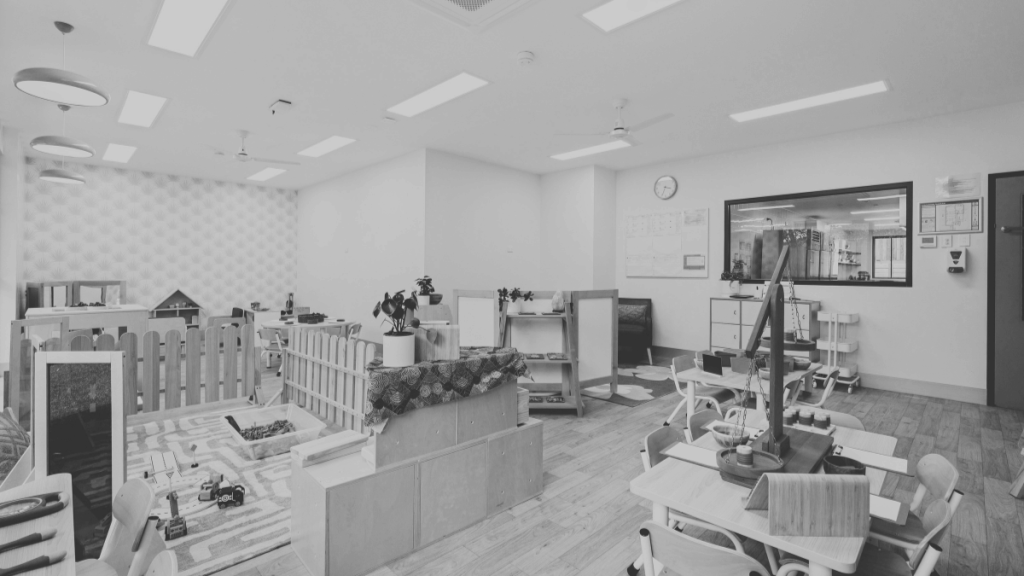
Whether you’re working in early years, primary, or secondary education, student-centred approaches can transform the learning experience by honouring each learner’s voice, choice, and pace. No matter your setting or subject, these practices help build more meaningful connections, foster independence, and cultivate a love of learning. Here are a few practical ways you can begin embedding student-centred strategies into your classroom:
- Start with student profiles
Get to know your learners as whole people — their strengths, interests, triggers, dreams, and needs. This helps you tailor content, scaffolding, and environment.
We’ve designed a Getting to Know Me (KS1-2) and KS3-4 activity pack so you can get to know your students on a deeper level. It’s a great tool to help you build a deeper picture of your learners and perfect for the start of term.
- Offer choices
Let students choose from different tasks, materials, groupings, or topics. Even small choices boost motivation and a sense of autonomy. This doesn’t mean changing the learning objective! You can have the same outcome met but in different ways, for example one English learning objective might be to identify and explain the author’s use of language to create mood and atmosphere. This can be demonstrated in a range of ways depending on the learner’s strengths and preferences. For example, students might write a short analysis of a chosen passage, explaining how particular words and phrases contribute to the overall mood. Others might prefer to visually represent the atmosphere by creating a mood board using images, colours, and key quotes from the text. Alternatively, learners could rewrite the passage with a different emotional tone, showing their understanding of how language choices influence mood and meaning. The outcome has still been met, and you as a teacher are able to assess how well it’s been attained—it just means learners can do this in a way that empowers them and showcase their best work.
If you’re looking for an easy way to hear directly from your pupils, we’ve put together a simple Student Voice Survey you can download and use in your classroom. It’s a helpful way to understand what’s working, what’s not, and how your learners are feeling about their experience.
- Use inquiry-based questions
Begin with a real question or problem and let students investigate and construct understanding collaboratively. Starting a lesson or unit with a meaningful, real-world question encourages curiosity, ownership, and active engagement. Instead of delivering information upfront, pose a thought-provoking problem that invites exploration and sparks discussion. This approach positions students as researchers, critical thinkers, and collaborators, allowing them to construct knowledge together rather than passively receive it. Essential questions are a great way to do this!
For example, in an English lesson, you might ask, “How does language shape power in society?” Students could analyse speeches, media texts, or literature to investigate how word choices influence public opinion. In a science class, a question like “Why is plastic pollution so hard to solve?” can lead to inquiry-based group projects involving research, experimentation, and presentation of potential solutions. In history, you might pose, “Was the Industrial Revolution a step forward or backward for society?”—encouraging learners to explore various perspectives, gather evidence, and debate their findings.
By grounding learning in authentic questions and encouraging collaborative investigation, students develop deeper understanding, critical thinking skills, and a stronger sense of purpose in their learning journey.
- Create flexible spaces
Design your classroom to support a variety of learning needs by arranging it with flexibility and intentionality. Instead of traditional rows of desks, think in terms of zones—dedicated areas that encourage different types of engagement. For instance, set up a quiet corner with cushions or beanbags for independent reading or reflection, a collaborative space with grouped tables for peer work and discussion, and a creative zone with materials for hands-on activities or project-based learning. Include open floor space where learners can move freely, sit in circles, or engage in drama and roleplay. Allowing students to choose where and how they work within these zones nurtures a sense of autonomy and helps them tune in to what kind of environment supports their focus and learning. Flexible spaces also make it easier to adapt your teaching to the needs of the moment—whether it’s a group inquiry, one-to-one support, or a whole-class circle discussion.
- Incorporate reflection
Intentional reflection is a powerful part of student-centred learning. Build in regular opportunities for learners to pause, process, and make sense of their experiences. This might look like short daily journaling prompts, end-of-lesson exit slips, or weekly check-ins where students consider what they’ve learned, what challenged them, and what they’re proud of. You can also use self-assessment tools like traffic light systems, learning logs, or goal-setting templates to help students track their own progress over time. In group settings, encourage reflective dialogue—where learners share insights, give each other feedback, and identify next steps together. By embedding reflection into the rhythm of your classroom, you help students develop metacognition, build ownership over their learning journey, and grow the confidence to set and pursue meaningful goals.
- Actively listen
Creating a truly student-centred environment means making space for learners’ voices to be heard and valued consistently. Hold regular check-ins, class meetings, or use feedback forms to invite students to share their thoughts, concerns, and ideas about their learning experience. These moments can be informal—such as a quick daily mood check or a circle time conversation—or more structured, like weekly reflection meetings where students suggest changes or celebrate successes. Actively listening also means responding thoughtfully, showing empathy, and making adjustments based on their feedback. This not only builds trust and rapport but also empowers learners by demonstrating that their perspectives matter and directly influence the classroom community and learning process.

Conclusion
Student-centred learning is more than just a teaching trend—it’s a fundamental shift in how we view education and the role of learners within it. By prioritising students’ voices, interests, and individual needs, we create classrooms that are more engaging, inclusive, and effective. Whether you’re a teacher, parent, or education professional, embracing even small elements of this approach can transform learning experiences and empower learners to become confident, motivated, and lifelong seekers of knowledge. As educational pioneers like Rousseau, Dewey, and Montessori have shown us, putting learners first isn’t just good practice—it’s the key to meaningful and lasting learning. So why not start today, and discover the difference a truly student-centred classroom can make?
If you’re not sure where to start, check out our Getting to Know Me (KS1-2) and KS3-4 activity pack to get to know your students on a deeper level and plan lessons that keep them engaged, inspired and making progress!