

Starting home education can feel exciting, hopeful, daunting, and completely overwhelming all at once. There is often so much focus on the practical side of home ed that we forget how important it is to slow down and really think. Not just about curriculum or deregistration, but about your values, your family life, your capacity, and what you actually want this journey to look like.
In this blog we’ve compiled 10 questions to ask yourself before starting home education. Designed to help you dig a little deeper before you start your journey.
1. Why do I want to home educate?

This is the place I would always start. Are you drawn to home education because school is not working for your child? Because you want a more child-centred way of learning? Because your values do not align with the system? Because you want more time, more flexibility, more freedom, more healing, or more joy?
Try to get underneath the surface answer. The clearer you are on why you want to do this, the easier it becomes to make decisions later when things feel wobbly. And you can always go back to your ‘why’ on the tough days.
2. What are my core values around education?

This question changes everything. What do you believe education is for? Is it mainly about qualifications? About developing life skills? About wellbeing? About raising thoughtful, kind, capable young people? About helping your child know themselves and their place in the world?
Your answers here will shape the kind of home education you build. If you don’t get clear on your values, it’s very easy to drift into recreating school by default.
3. What does my child actually need right now?

Not what should work. Not what works for someone else’s child. What does your child need?
Do they need rest? Structure? More freedom? More one-to-one support? More movement? More time outdoors? More flexibility? More emotional safety? More challenge?
Home education tends to work best when it starts with the real child in front of you, not a curriculum you found online. Some children need more outdoor time, some may need more play, and some may need more routines and structure. Ask yourself, what does my child need right now?
Remember that children are growing and changing all the time. What they need right now may be different in 6 months time.
4. What might home education look like for our family?
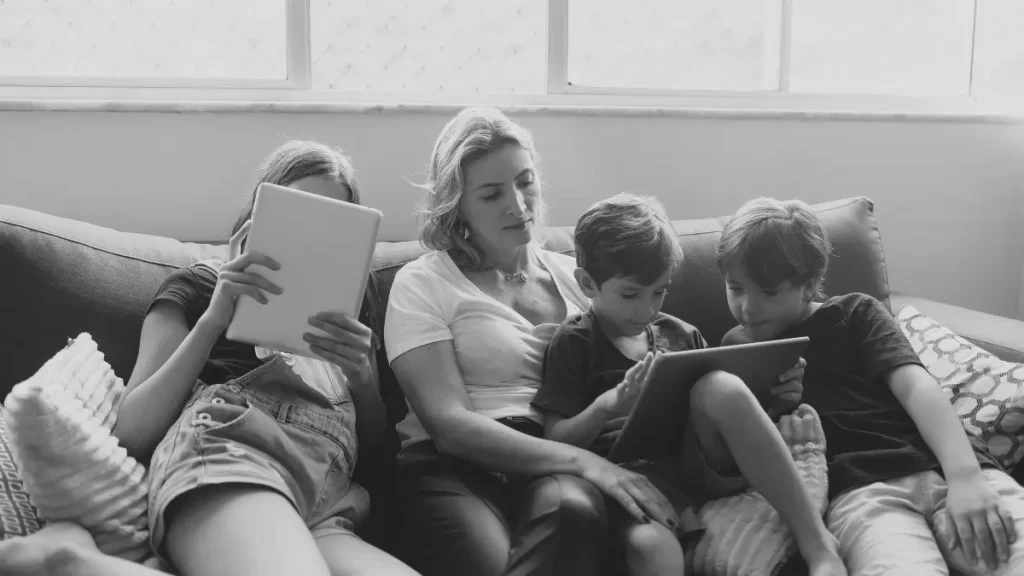
Home education isn’t just one thing. Some families are very structured in their approach. Some are more child-led. Some use a curriculum. Some build learning around projects, outings, books, tutors, and real-life experiences. Most families sit somewhere in the middle.
It helps to ask:
- do I imagine something quite structured, or more flexible?
- do I want to follow my child’s interests closely?
- do I want to use groups, classes, tutors, or online learning?
- what kind of rhythm would actually suit us?
You don’t need to have it all figured out before you start, but it helps to start imagining what home ed could look like in real life for your family.
5. What do I hope to gain from home education?
This is such a helpful question. What are you hoping home education will give your child and your family that school currently isn’t?
This might be:
- improved mental wellbeing
- more quality time together
- more direct support
- more freedom
- a slower pace
- more meaningful learning
- less pressure
- more flexibility
- more room for interests and creativity
- more time outdoors
- more adventures
- more interest-led learning
Being honest about what you hope to gain can help you build towards it more intentionally.
6. Who will I lean on for support?

Home education is much easier when you are not trying to do it alone.
Think about:
- home education groups in your area
- friends or family who will be supportive
- local classes and activities
- other parents you can talk to
- online communities
- practical support with childcare or work
This question matters especially if you need to work, have younger children too, or know you will need breaks and breathing room.
Support does not make you less capable. It makes the journey more sustainable.
7. What might need to change in our current life for this to work?

This one is important because home education does not happen in a vacuum.
For it to work well, you might need to change parts of your current family life. This could be:
- work patterns
- routines
- finances
- screen habits
- sleep
- the pace of your week
- where you live
- how often you get outdoors
- how your home functions day to day
Some families even move to be closer to better communities, natural spaces, or a lifestyle that fits their home ed vision more naturally.
You do not need to overhaul everything overnight, but it is worth thinking honestly about what might need to shift.
8. What help might I need?
You do not need to know everything before you start.
But it helps to think about what support will help you grow into this well.
That might be:
- books
- blogs
- TED Talks
- podcasts
- Pinterest ideas
- templates and planning tools
- community wisdom
- tutors
- courses
- workshops
Home education does not mean doing it all alone or figuring everything out from scratch.
If you’re thinking about home education but need more support, check out our blog Thinking About Home Education: Start Here here to get answers to more common questions.
9. How will we make this work practically?
This is the question that grounds everything.
How will this work with:
- your income
- your time
- your mental capacity
- your child’s needs
- your wider family life
- your home
- your energy
You do not need a perfect master plan, but you do need some honest thinking here. A lot of parents ask whether home education is right in theory, but the more useful question is often whether it is workable in practice.
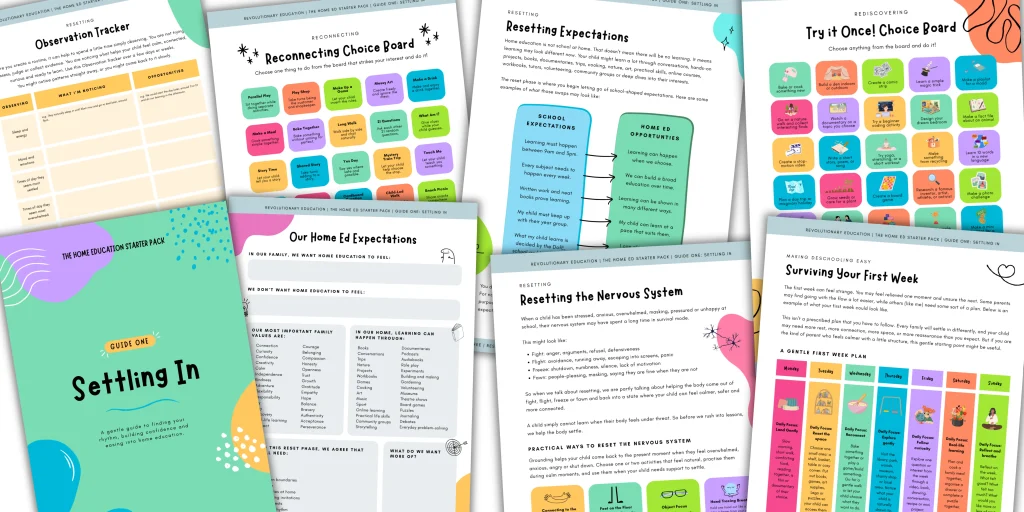
Deregistering can feel like a huge decision, but you don’t have to have every answer straight away. Our Settling In Guide walks you through the first six weeks of home education with gentle structure, practical steps, and reassurance, helping you move from “Am I doing the right thing?” to “We can figure this out one step at a time. Get the guide here.
10. Am I open to learning and adapting as I go?
This might be the most important question of all. Because the truth is, no one starts home education with every answer. You learn as you go. Your child changes. You change. Your approach evolves. What works in one season may not work in another.
If you are open to reflecting, adapting, and growing alongside your child, you are already in a much stronger place than you think.
You do not need to start perfectly. You just need to start honestly.
A gentle reminder
You do not have to answer all of these questions in one sitting. And you definitely do not need to have your whole future mapped out before beginning.
But taking time to reflect on them now can help you start home education from a place that feels much more intentional, calm, and aligned.
FAQs
What should I think about before starting home education?
Think about your reasons, your child’s needs, your values, your support network, your capacity, and what home education may realistically look like for your family.
Do I need to know exactly how I will home educate before I start?
No. But it helps to have a rough sense of your values, your starting point, and what support you may need.
What if I do not feel fully ready?
Most people do not feel fully ready. Reflection and willingness to learn matter more than feeling perfectly prepared.
Do I need support to home educate well?
For most families, yes. Support can come from people, groups, resources, tutors, routines, or wider community.
Can home education change over time?
Yes. Many families adapt their approach as they go, depending on their child’s needs and what is working.
Conclusion
Starting home education is not just a practical decision. It is a relational, emotional, and values-led one too. The more honestly you reflect before you begin, the easier it becomes to build something that actually works for your child and your family.
Get more support with our free home ed toolkit
If you are in the early stages of thinking things through, download our free Home Ed Toolkit. It is packed with guides, practical tips, and supportive resources to help you start home education with more clarity and confidence.