
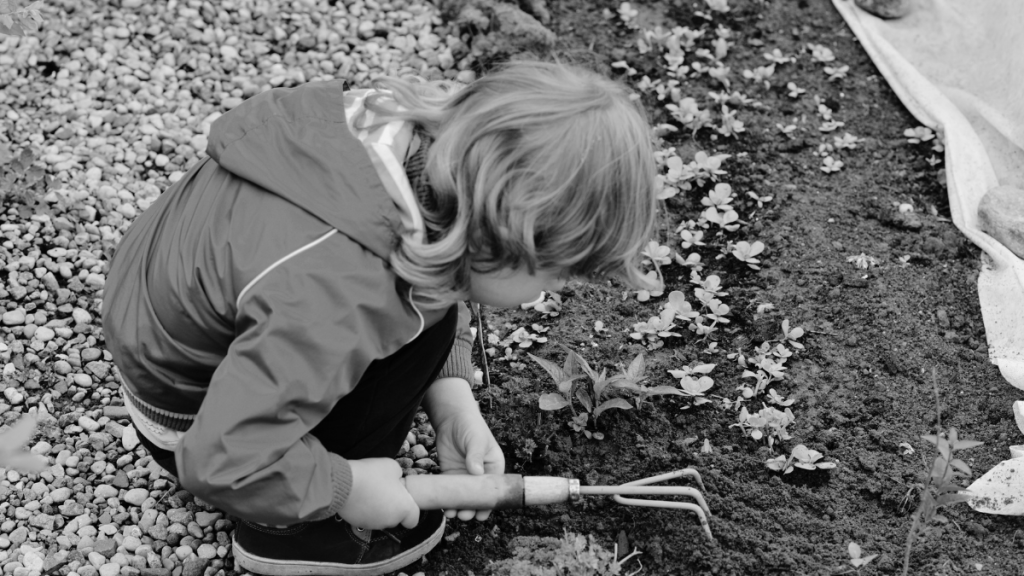
One of the biggest misunderstandings about home education is that it has to look a certain way. Some people imagine home education as children sitting at a table with workbooks all day. Others imagine the complete opposite: children running feral with no structure or expectations. But the truth is both of these are wrong.
There are many different types of home education, and no two families do it in exactly the same way. Some families prefer structure, timetables and clear academic goals. Others take a more child-led, creative or project-based approach. Many families mix different methods depending on their child’s needs, interests and stage of learning.
In the UK, parents have a legal responsibility to make sure their child receives a suitable full-time education, but that education doesn’t have to follow the National Curriculum and it doesn’t have to look like school.
So, if you’re wondering what home education can actually look like in real life, this guide will walk you through the main home education approaches and help you think about what might work for your child.
What are the main types of home education?
The main types of home education include structured home education, semi-structured learning, child-led learning, unschooling, project-based learning, online learning, tutor-supported learning, eclectic home education, worldschooling and flexi-schooling.
Some of these approaches are more formal. Some are more flexible. Some focus on academic subjects, while others focus on curiosity, real-world experiences, creativity or independence. You don’t have to choose one approach forever. In fact, most home educating families change and adapt as they go.
A child might need structure in maths but freedom in art. They might love online science lessons but prefer learning history through documentaries, museums and projects. They might need a slow, gentle period after leaving school before they’re ready for formal learning again. That’s one of the strengths of home education: it can be responsive to your child.
1. Structured home education

Structured home education is probably the closest approach to traditional school.
Families who choose this style often use timetables, subject blocks, workbooks, lesson plans, online programmes, curriculum resources and clear learning goals. The day might include maths, English, science, reading, writing and topic work, with breaks in between.
This approach can work well for children who like routine, predictability and clear expectations. It can also be reassuring for parents who are new to home education and want a sense of direction.
Structured home education might include:
- a weekly timetable
- set subjects each day
- printed worksheets or workbooks
- online learning platforms
- planned lessons
- progress tracking
- exam preparation
- clear start and finish times
This doesn’t mean you have to recreate school exactly. You might still have shorter lessons, more breaks, practical activities, outdoor learning and time for your child’s interests.
The key benefit of structured home education is that it can give everyone a sense of rhythm. The possible downside is that it can become stressful if it’s too rigid, especially for children who’ve had difficult experiences in school or who need more flexibility.
Structured home education works best when the structure supports the child, rather than controlling them.
2. Semi-structured home education
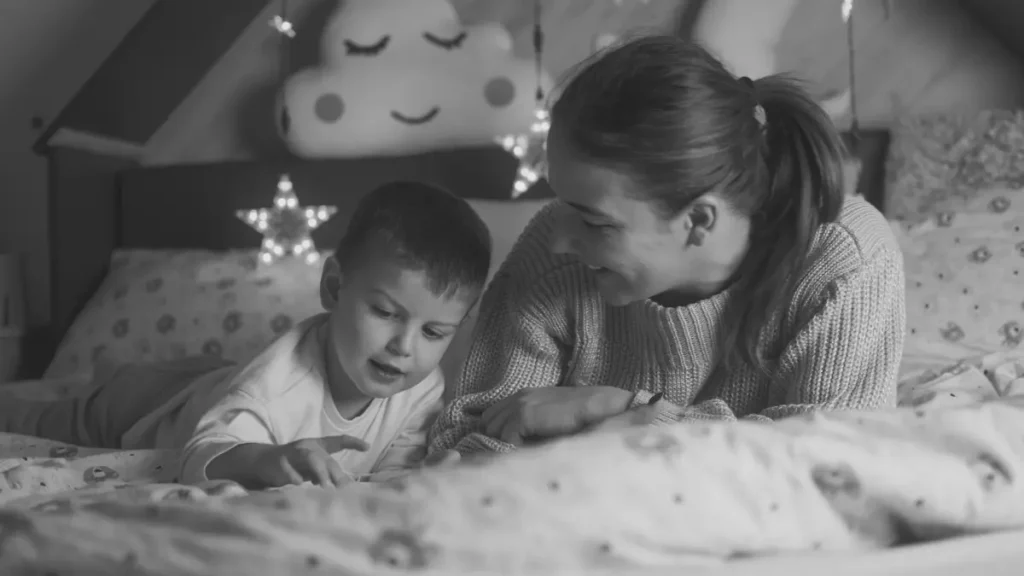
Semi-structured home education is a middle ground between formal learning and flexible learning.
This is a popular approach because it gives families a routine without making every day feel overly planned. You might have a loose rhythm rather than a strict timetable. For example, mornings might be for maths and English, while afternoons are for projects, reading, groups, outdoor learning or creative activities.
A semi-structured home education day might look like this:
- maths practice after breakfast
- reading or writing mid-morning
- a project, trip or practical activity in the afternoon
- free time, clubs or hobbies later in the day
This type of home education can work well for children who need some predictability but don’t cope well with pressure. It can also be helpful for parents who want to cover core skills while still making space for curiosity and real life.
Semi-structured home education often feels more sustainable than trying to copy school at home. It gives you a plan, but it also gives you permission to change the plan when your child needs something different.
And honestly? That’s often where the magic happens.
3. Child-led home education
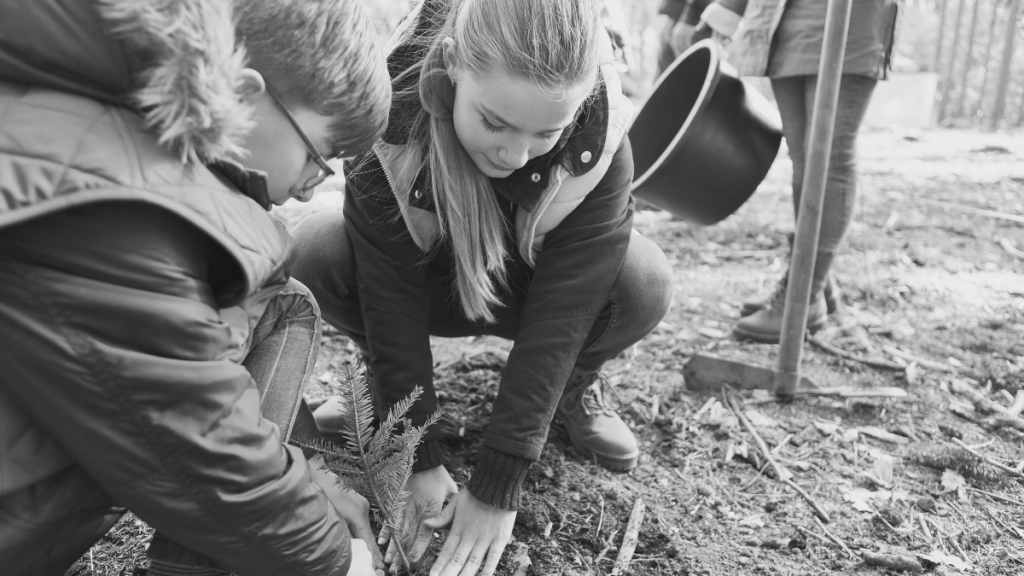
Child-led home education starts with the child’s interests, questions and natural curiosity.
Instead of beginning with a fixed curriculum, the parent observes what the child is drawn to and builds learning around that. If a child is fascinated by dinosaurs, that interest could lead into reading, writing, science, history, geography, art, measurement, timelines and museum visits.
If a child loves animals, they might explore habitats, evolution, food chains, conservation, biology, writing fact files, visiting nature reserves or volunteering with animal care.
Child-led learning doesn’t mean the parent disappears. It means the parent becomes a facilitator. They notice sparks of interest, offer resources, ask questions, create opportunities and help the child go deeper.
Child-led home education might include:
- following the child’s questions
- interest-based projects
- documentaries and books
- visits and real-world experiences
- creative responses
- conversations and reflection
- flexible pacing
- fewer formal worksheets
This approach can be especially powerful for children who’ve lost confidence in learning. When children realise their interests matter, learning can start to feel alive again.
The challenge is that child-led learning can feel uncertain at first, especially if you’re used to school-style planning. It can also require trust: trust that learning doesn’t always look neat, and trust that curiosity is a valid starting point.
4. Unschooling
Unschooling is one of the most misunderstood types of home education.
People sometimes assume unschooling means no education. That’s not really what it means.
Unschooling is a form of self-directed learning where children learn through life, curiosity, play, conversation, exploration, relationships and real-world experiences. It’s built on the belief that children are naturally wired to learn when they’re supported, respected and given access to a rich environment.
An unschooling approach might include:
- reading for pleasure
- deep dives into personal interests
- gaming, coding or digital creation
- cooking, budgeting and life skills
- nature exploration
- travel and community learning
- building, making and designing
- conversations about real-world issues
- creative projects
- independent research
Unschooling doesn’t usually separate learning into school subjects. Instead, learning is seen as something that happens all the time.
For example, planning a family trip might involve reading, geography, budgeting, time management, transport, communication and problem-solving. Building a game might involve storytelling, coding, design, logic, maths and resilience.
Unschooling can be freeing for some children, especially those who’ve felt boxed in by school. But it isn’t a hands-off approach. Parents still need to provide support, resources, boundaries, conversation and opportunities.
The aim isn’t to abandon education. It’s to trust that education can be much bigger than formal lessons.
5. Project-based home education
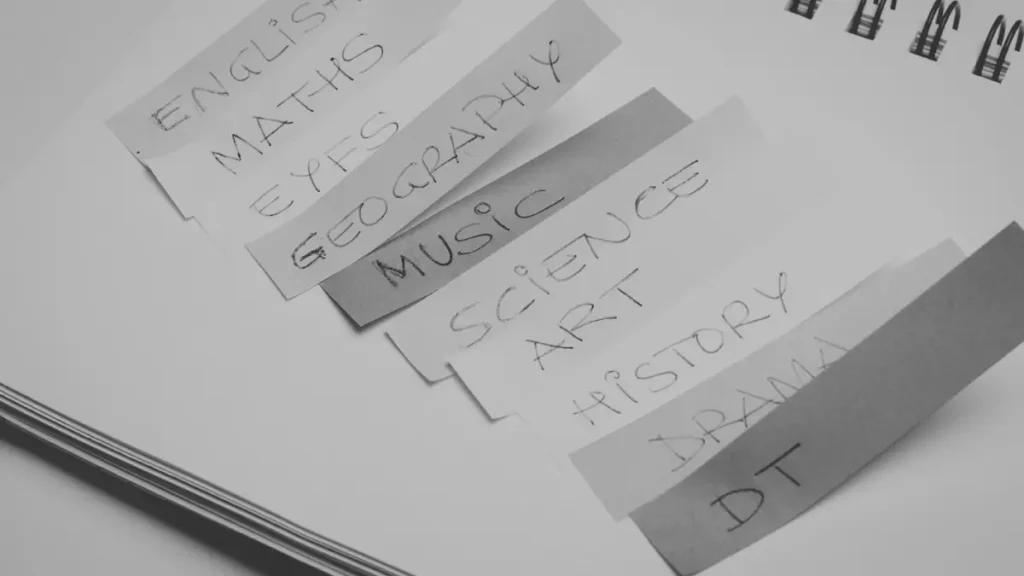
Project-based home education is a brilliant option for children who love making, investigating and exploring big questions.
Instead of studying subjects separately, children learn through a project or theme. A project might last a few days, a few weeks or even a few months.
For example, a project on space could include:
- reading books about planets
- writing a diary entry from an astronaut’s perspective
- researching the moon landing
- building a solar system model
- calculating distances between planets
- learning about gravity
- watching documentaries
- creating a presentation
- visiting a science museum
This approach naturally brings subjects together. English, maths, science, history, geography, art and technology can all sit inside one meaningful project.
Project-based home education works well because it gives learning a purpose. Children aren’t just completing tasks because an adult told them to. They’re working towards something: a model, a presentation, a book, a film, a campaign, a solution, a display, a performance or a finished product.
It can also be great for neurodivergent learners who think deeply, make connections quickly or prefer learning through themes rather than isolated tasks.
The main thing to remember is that projects don’t have to be perfect. They don’t need to look like Pinterest. A good project is one that helps your child ask questions, make connections and stay curious.
6. Online home education

Online home education uses digital tools, courses, videos, apps, virtual classes or online tutors to support learning.
This approach can be helpful for families who want access to structured teaching without doing everything themselves. It can also support older children working towards qualifications or children who enjoy independent digital learning.
Online home education might include:
- live online classes
- recorded lessons
- educational apps
- virtual tutoring
- online GCSE courses
- video lessons
- digital worksheets
- interactive quizzes
- online communities
- educational YouTube channels
Online learning can be especially useful for subjects where parents feel less confident. For example, a parent might be happy supporting reading, writing and project work, but prefer an online course for secondary maths or science.
The benefit of online home education is flexibility. Children can often learn at their own pace, revisit lessons and access teaching from home.
The downside is that too much screen-based learning can become draining. It’s usually best when online learning is part of a wider mix that includes movement, creativity, discussion, outdoor time, reading, practical tasks and social connection.
Online learning is a tool. It doesn’t have to become the whole education.
7. Tutor-supported home education
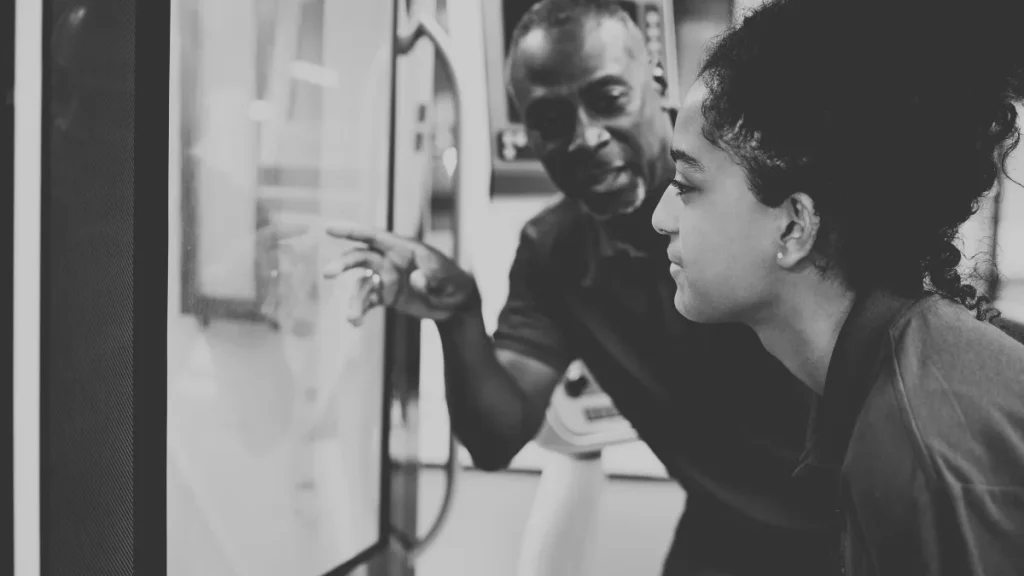
Tutor-supported home education means parents use tutors, mentors, small-group teachers or specialist educators to support part of their child’s learning.
This can be useful when a child needs help with a specific subject, exam preparation, confidence, SEND support or a learning area that the parent doesn’t feel able to teach.
Tutor-supported home education might involve:
- weekly maths tuition
- small-group English lessons
- GCSE science support
- mentoring for project work
- specialist dyslexia support
- music, art or language lessons
- exam preparation
- online or in-person tutoring
This approach can take pressure off parents, but it doesn’t mean the parent has failed. Home education doesn’t have to mean doing everything alone.
Schools use different teachers for different subjects. Home educating families can use different forms of support too.
The important thing is to choose tutors or mentors who respect your child’s needs and your family’s approach. A tutor who brings school-style pressure into a child-led home education setup might not be the right fit. Equally, a very relaxed tutor might not suit a child who wants exam-focused structure.
Support should match the child, not just the subject.
8. Eclectic home education
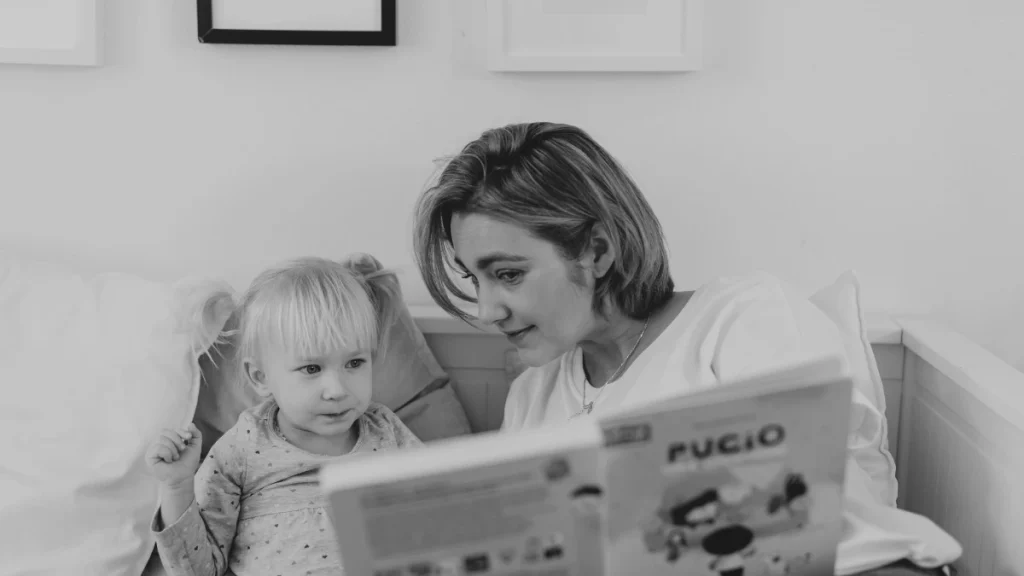
Eclectic home education is one of the most common approaches, even if families don’t always use that label.
It simply means mixing different methods to create an approach that works for your child.
An eclectic home education style might include:
- structured maths
- child-led science
- online language lessons
- project-based history
- outdoor learning
- creative writing
- documentaries
- home education groups
- practical life skills
- occasional tutoring
This approach is flexible and realistic. It recognises that children aren’t one thing all the time. A child might need clear teaching in one area and total freedom in another. They might thrive with routine during one season and need a gentler rhythm during another.
Eclectic home education is often a good fit for families who want to avoid extremes. You don’t have to be fully structured or fully unschooling. You don’t have to choose between academics and creativity. You don’t have to stick to one philosophy forever.
You can build something that works.
That’s the beauty of it.
9. Worldschooling and real-world learning
Worldschooling is a type of home education where children learn through travel, culture, places, people and real-world experiences.
Some worldschooling families travel internationally. Others explore the UK through local history, nature, museums, cities, coastlines, libraries, community projects and everyday life.
You don’t need to be constantly travelling to use a worldschooling mindset. At its heart, worldschooling is about seeing the world as a classroom.
Real-world learning might include:
- visiting museums and galleries
- exploring local history
- learning through nature walks
- volunteering
- community projects
- travel planning
- budgeting and shopping
- cooking and nutrition
- public transport
- map reading
- environmental action
- interviewing people
- attending workshops or events
This approach helps children see that learning isn’t separate from life. Maths exists in budgets, baking, building and travel. English exists in letters, stories, signs, scripts and conversations. Science exists in gardens, weather, animals, bodies and kitchens.
Worldschooling and real-world learning can be especially powerful for children who struggle with abstract learning but come alive when they can see, touch, visit, make or experience something.
It also supports one of the biggest ideas behind home education: learning doesn’t only happen in classrooms.
10. Flexi-schooling

Flexi-schooling is when a child attends school part-time and is home educated part-time.
This can sound like the perfect middle ground for some families, but it’s important to know that flexi-schooling usually needs agreement from the school. GOV.UK says parents can teach their child at home full-time or part-time, but if a child is currently at school, parents should talk to the school about sending the child part-time, and the school can refuse.
Flexi-schooling might work for children who benefit from some school-based learning but also need more time at home. It might support children with anxiety, SEND, health needs, burnout or particular talents and commitments.
A flexi-schooling arrangement could mean a child attends school for certain days, subjects or sessions, then learns at home for the rest of the week.
However, because schools don’t have to agree, it isn’t always available. Families interested in flexi-schooling usually need to speak with the headteacher and be clear about how the arrangement would work.
Flexi-schooling can be helpful, but it depends heavily on the school, the child’s needs and the relationship between home and school.
Which type of home education is right for your child?
There’s no perfect type of home education. There’s only what works for your child, your family and your current season of life.
A good starting point is to think about your child’s needs.
- Do they need routine, or are they recovering from too much pressure?
- Do they love deep projects, or do they prefer short, clear tasks?
- Do they learn best through talking, making, reading, watching, moving or doing?
- Do they need exam preparation, confidence-building, emotional safety or time to rediscover curiosity?
- Do they need more independence, more connection or more support?
You might also want to think about your own capacity.
Some approaches need more planning. Some need more trust. Some need more money. Some need more time outside the house. Some need more adult involvement. Some work better with online support, tutors or community groups.
The right approach isn’t just about educational philosophy. It’s also about real life. And real life matters.
Can you change your home education approach over time?
Yes — and most families do.
You might start with structured home education because it feels safe and familiar. Then, as your confidence grows, you might become more flexible.
Or you might start with a relaxed, child-led approach after a difficult school experience, then gradually add more structure later.
You might use one approach for primary years and another for secondary. You might change again when your child starts preparing for GCSEs or other qualifications.
That’s normal.
Home education doesn’t have to be fixed. It can evolve as your child grows, as their needs change and as you learn what works.
In fact, being willing to adapt is one of the biggest strengths of home education.
Do you have to follow the National Curriculum when home educating?
In England, you don’t have to follow the National Curriculum when home educating. GOV.UK states that parents must make sure their child receives a full-time education from age 5, but they don’t have to follow the National Curriculum.
That doesn’t mean you can’t use it. Some families do use the National Curriculum as a guide, especially if they want to keep options open for returning to school later. Other families choose a completely different path.
You might follow your child’s interests, use a different curriculum, focus on core skills, build learning around projects, or work towards specific qualifications.
The legal duty is about providing a suitable education. Section 7 of the Education Act 1996 says parents must ensure a child of compulsory school age receives an efficient full-time education suitable to their age, ability, aptitude and any special educational needs, either by school attendance “or otherwise.”
So, while the National Curriculum can be useful, it isn’t the only route.
What’s the best home education approach for neurodivergent children?
There’s no single best approach for neurodivergent children because neurodivergent children aren’t all the same.
Some autistic children thrive with structure, predictability and visual routines. Others need fewer demands, more autonomy and more time to follow deep interests.
Some ADHD children need movement, novelty, projects and short bursts of learning. Others may need clear systems, external accountability and support with starting tasks.
Some dyslexic children benefit from specialist literacy support, assistive technology, audiobooks and strengths-based learning. Some children with anxiety may need a gentle, low-pressure approach before formal learning feels possible again.
The best home education approach for a neurodivergent child is usually one that’s flexible, respectful and responsive.
That might mean:
- shorter lessons
- more movement breaks
- sensory-friendly routines
- interest-led projects
- visual planning
- assistive technology
- outdoor learning
- reduced pressure
- emotional regulation support
- flexible expectations
- strengths-based learning
- specialist tutoring when needed
Home education can give neurodivergent children room to learn without constantly masking, rushing or trying to fit into systems that weren’t designed for them.
But it still needs thought, care and support. Flexibility doesn’t mean a lack of guidance. It means shaping education around the child in front of you.

FAQs about types of home education
What are the main types of home education?
The main types of home education include structured home education, semi-structured learning, child-led learning, unschooling, project-based learning, online learning, tutor-supported learning, eclectic home education, worldschooling and flexi-schooling.
Is unschooling legal in the UK?
Home education is legal in the UK, but parents are responsible for making sure their child receives a suitable full-time education. Unschooling isn’t a separate legal category, so the important question is whether the education being provided is suitable for the child’s age, ability, aptitude and any special educational needs.
Can I mix different home education approaches?
Yes. Many families use an eclectic approach, which means mixing different styles. You might use structured maths, online science, child-led history, project-based geography and real-world learning all in the same week.
Is online learning enough for home education?
Online learning can be part of home education, but it doesn’t have to be the whole approach. Many families use online courses alongside reading, projects, trips, practical activities, social groups and creative learning.
Which type of home education is best?
The best type of home education is the one that suits your child’s needs, your family’s circumstances and your goals. Some children need structure. Some need flexibility. Some need a mix of both.
Final thoughts: there’s no one right way to home educate
The different types of home education show us something really important: learning doesn’t have to look one way.
It can be structured or flexible.
It can be online or offline.
It can be academic, creative, practical or project-based.
It can happen at a desk, in a museum, in the woods, in a kitchen, in a library, on a train, in a conversation or through a child’s latest obsession.
Home education isn’t about finding the perfect method and sticking to it forever.
It’s about noticing your child.
It’s about responding to what they need.
It’s about creating an education that feels suitable, meaningful and human.
Some families will thrive with timetables and textbooks. Others will thrive with projects and curiosity. Many will sit somewhere in the middle.
And that’s okay.
There isn’t one correct way to home educate.
There’s only the ongoing work of building an education that helps your child learn, grow and feel like themselves.
Get our free home education toolkit
Want to make home education feel a little less overwhelming?
Get our free home education toolkit for practical ideas, gentle guidance and flexible learning resources to help you support your child in a way that feels calm, creative and human.