
Home education is one of those topics that almost everyone seems to have an opinion on, even if they’ve never actually experienced it.
Some people imagine children sitting at the kitchen table from 9am until 3pm, silently working through textbooks. Others picture children doing absolutely nothing all day. Some worry that home educated kids won’t make friends, won’t take exams, or won’t learn how to cope in the “real world”.
But most of these ideas come from misunderstanding, not reality.
So, let’s unpack the biggest home education myths and look at what home ed really is — and what it definitely isn’t.
Myth 1: Home education means copying school at home
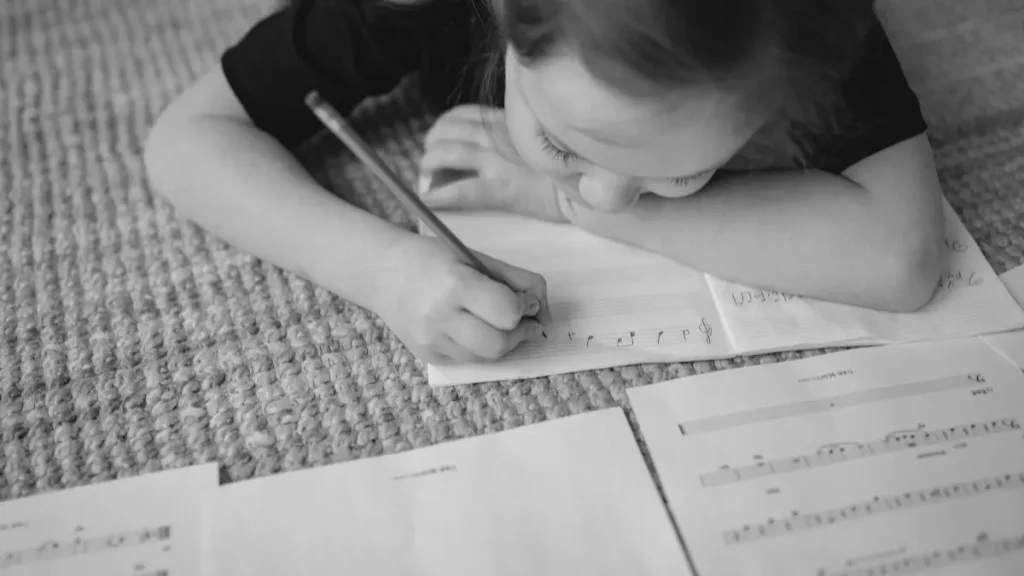
One of the biggest home education misconceptions is that home education has to look like a mini school day. It doesn’t.
Home education isn’t simply school relocated to the dining room table. Some families do use structured timetables, textbooks, online lessons, or formal schemes of work. Others use a more flexible approach built around projects, real-life learning, reading, conversation, visits, creativity, practical skills, nature, community groups, and the child’s interests.
For many families, this flexibility is the whole point. A school has to work for large groups of children at once. Home education can be shaped around one child, or a small number of children. That means learning can move faster, slower, deeper, sideways, or in a completely different direction depending on the child’s needs.
Home education can include:
- structured lessons
- online courses
- project-based learning
- reading and discussion
- museums, libraries, parks and community visits
- practical life skills
- creative work
- child-led learning
- small group sessions
- tutoring or mentoring
- exam preparation when needed
It can be structured. It can be flexible. It can be academic. It can be creative. It can be all of those things at different times. What it doesn’t have to be is school-at-home.
Myth 2: Home education is illegal or “not proper education”

Many people don’t realize that home education is completely legal in the UK. Education is compulsory, but school isn’t. The Education Act 1996 says that parents must ensure their child receives an “efficient full-time education” suitable to their age, ability, aptitude and any special educational needs, either by regular attendance at school “or otherwise.”
That phrase — “or otherwise” — is important. It’s the part that allows education to happen outside of school.
Home educating parents take on responsibility for making sure their child is learning in a way that’s suitable for them, and traditional school isn’t the only valid route.
Home education isn’t a loophole. It isn’t illegal. It’s a legitimate educational choice.
Myth 3: Parents have to be qualified teachers to home educate
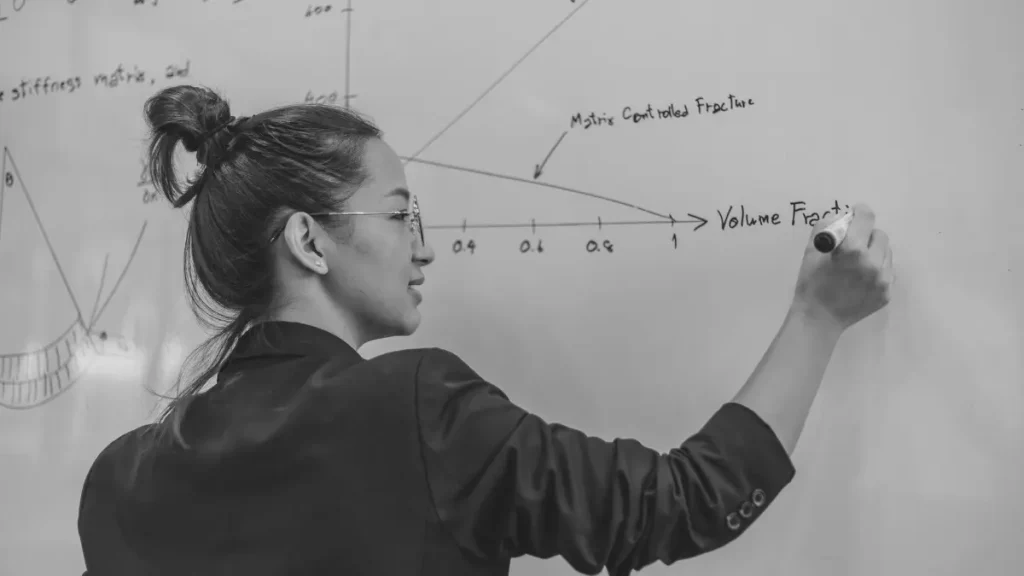
You don’t have to be a qualified teacher to home educate your child. You also don’t have to recreate a school classroom, teach every subject in the same way a school would, or know everything before your child learns it.
In home education, the parent’s role isn’t to be the expert. Often, the parent becomes a facilitator: finding resources, asking questions, supporting curiosity, arranging learning opportunities, helping the child reflect, and learning alongside them.
That might look like:
- using library books
- accessing online courses
- joining home education groups
- using documentaries, podcasts or audiobooks
- visiting museums, galleries or historical sites
- using tutors for specific subjects
- working through exam courses
- learning through projects and real-world experiences
No teacher knows everything either. Teachers use resources, planning, collaboration, research and professional judgement. Home educating parents can also use resources, community, support and curiosity.
Myth 4: Home educated children don’t socialise
Many people have this idea that if a child doesn’t go to school, they must be isolated. But school isn’t the only place where children can build friendships, practise communication, meet different people, and develop social confidence.
Home educated children usually socialise through:
- home-ed groups
- sports clubs
- drama, music or dance classes
- youth groups
- volunteering
- community events
- library groups
- online learning communities
- family networks
- local meetups
- workshops and trips
- mixed-age learning groups
In fact, many home educated children spend time with people of different ages, not just children born in the same school year. That can be a strength, because real life isn’t divided into age-based classes.
The only difference is that socialisation doesn’t usually happen automatically. Home educating parents usually need to be intentional about creating opportunities for connection. But that’s very different from saying home educated children are automatically lonely or unsocialised.
Socialisation isn’t the same as sitting in a classroom with thirty children. It’s about relationships, communication, belonging, confidence and community.
Myth 5: Home education is only for children who are struggling
Some children are home educated because school has become difficult, unsafe, inaccessible or damaging for them. That matters, and those experiences shouldn’t be dismissed.
For some families, home education follows after bullying, unmet SEND needs, anxiety, trauma, illness, school refusal, exclusion, or a growing sense that the school environment isn’t meeting the child’s needs.
But that’s not the whole story.
Many families choose home education because they want:
- more flexibility
- a child-led approach
- more time outdoors
- less pressure
- a different pace
- a values-led education
- more travel or real-world learning
- better support for neurodivergence
- more creativity
- stronger family connection
- a personalised curriculum
Home education isn’t always a “last resort”. Sometimes it’s a carefully chosen first choice. Sometimes it’s a rescue route. Sometimes it’s both.
The important thing is that we stop assuming all home educated children are at home because something has “gone wrong”.
Sometimes the problem isn’t the child. Sometimes the system simply wasn’t built for them.
Myth 6: Home education means children can do whatever they want all day

Home education can be flexible, but flexibility doesn’t mean doing nothing.
This is one of the more damaging home education misconceptions: the idea that home educated children are just left to play video games all day with no learning, structure, rhythm or responsibility.
Good home education may look relaxed from the outside, but that doesn’t mean nothing is happening.
A child baking is using maths, reading, sequencing, science and independence. A child building in Minecraft may be exploring design, problem-solving, planning and digital skills.
A child caring for animals is learning responsibility, biology, empathy and routine.
A child reading for hours is developing vocabulary, comprehension, imagination and concentration. A child running a project on climate change, dinosaurs, robotics or ancient Egypt may be learning across several subject areas at once.
Learning doesn’t only count when it looks like a worksheet. That said, home education is still education. Children need access to meaningful learning, development, guidance and opportunity. But meaningful learning can look much broader than school-style tasks.
Myth 7: Home educated children can’t take GCSEs or get qualifications
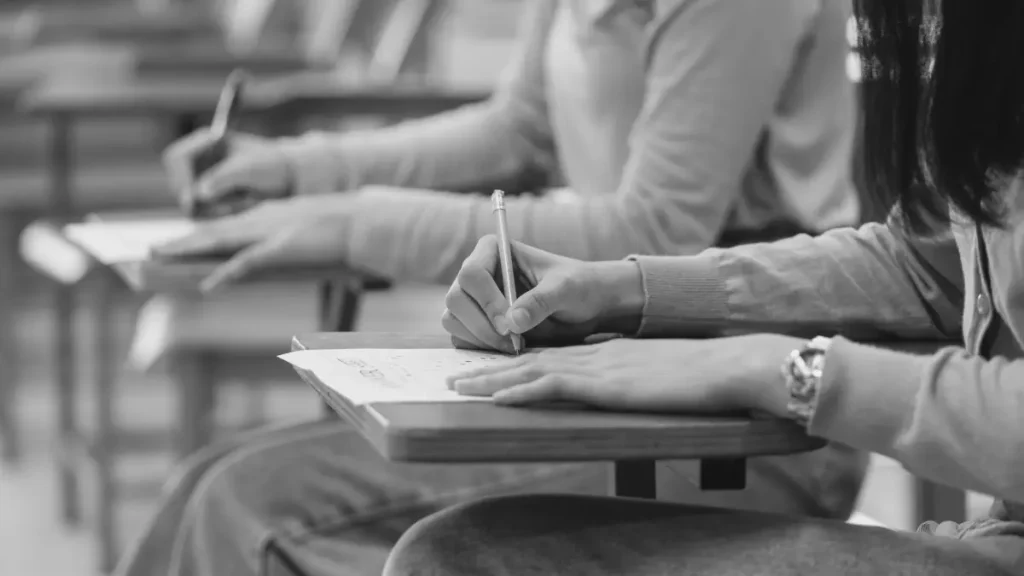
Home educated children can (and many do) complete qualifications, including GCSEs, but the process may look a little different.
Many home educating families choose to work towards GCSEs, Functional Skills, online courses, vocational qualifications, Arts Awards, Duke of Edinburgh’s Award, Open University modules, or other forms of accreditation.
Some children take GCSEs at the usual age. Some take them earlier. Some take them later. Some take fewer subjects. Some focus on alternative routes.
This is one of the benefits of home education: the path can be adapted.
Taking GCSEs as a private candidate typically involves parents taking on the planning and exam centre fees, finding suitable specifications, and arranging access if needed. Some subjects are more straightforward than others because practical coursework or controlled assessment can be difficult for private candidates.
So the truth isn’t “home educated children can’t get qualifications”. The truth is: home educated children can take qualifications, but families usually need to plan the route themselves.
Myth 8: Home education is always better than school
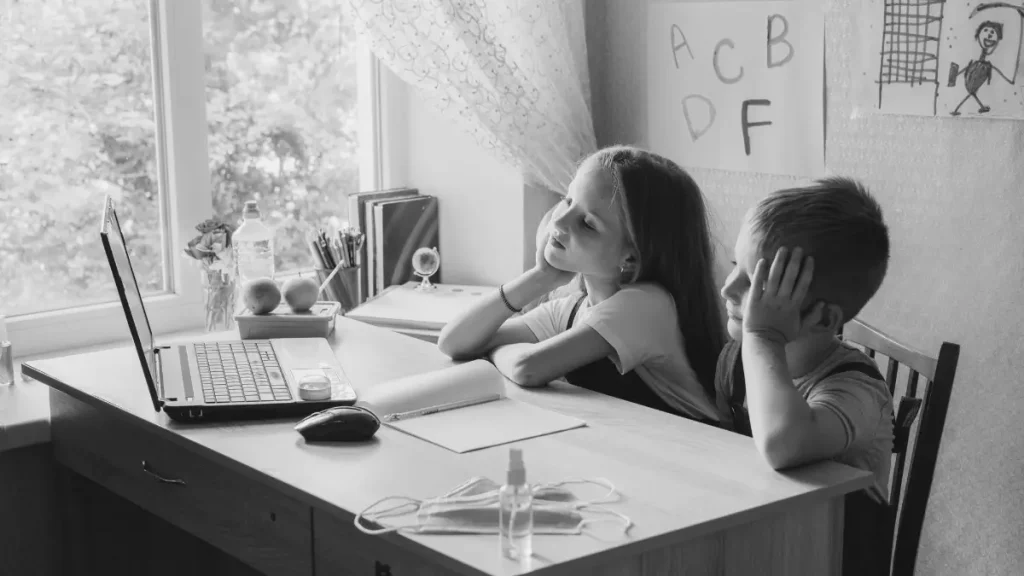
Home education can be powerful, freeing and deeply positive. But that doesn’t mean it’s automatically better than school for every child or every family.
Some children thrive in school. Some thrive at home. Some need a mixture. Some need school at one stage and home education at another. Some need specialist support. Some need community, routine, flexibility, quiet, challenge, rest, therapy, mentoring, or a completely different model altogether.
The problem isn’t that school is always bad or home education is always good. The problem is pretending there’s only one valid way to learn.
Home education isn’t a magic solution. It requires time, energy, commitment, reflection and support. It can be joyful, but it can also be very demanding. Parents may need to think carefully about finances, work, routines, social opportunities, resources, exams, SEND support, and their own capacity.
A balanced conversation about home education should make room for both truth and nuance. Home education can be life-changing. It can also be hard. Both can be true at the same time, and what matters is finding the best solution for your child.
Myth 9: Home education is the same as remote learning during lockdown
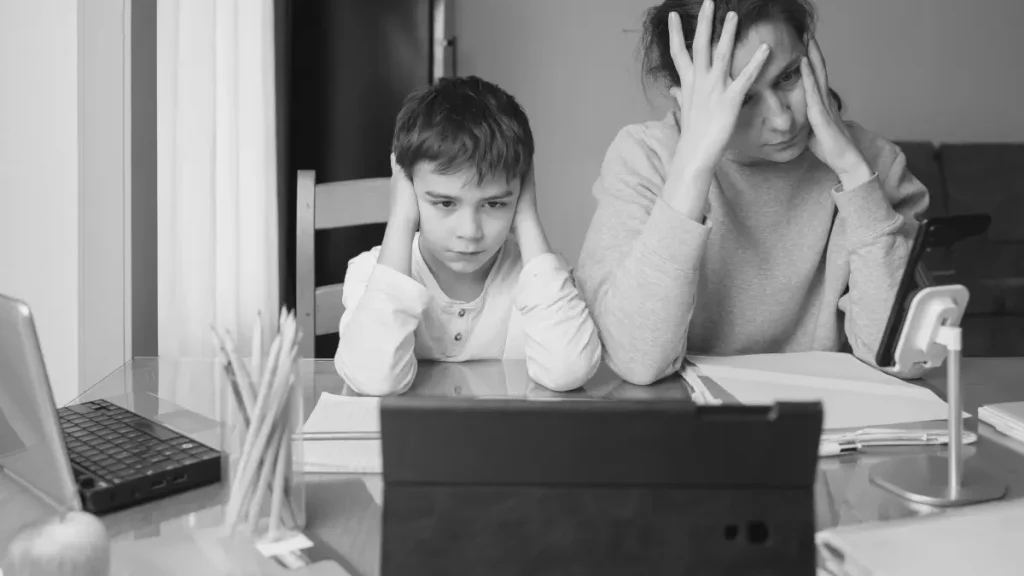
Many people’s idea of home education was shaped by emergency remote learning during the pandemic. But lockdown learning and elective home education aren’t the same thing.
Emergency remote learning was sudden, stressful and often based on schoolwork being sent home during a crisis. Parents were juggling work, fear, isolation, limited resources and uncertainty. Children were cut off from normal activities, wider family, clubs, groups and community life.
That wasn’t a fair picture of home education.
Home education, when chosen and planned, can be far more flexible, personalised and connected. It isn’t usually about sitting in front of a screen all day trying to keep up with school assignments. It can involve community, nature, projects, trips, groups, mentors, real-life learning and a rhythm that works for the family.
So when someone says, “I could never home educate — lockdown was awful,” it’s worth remembering: Lockdown was crisis schooling. Home education is something entirely different.
Myth 10: Home education means opting out of society
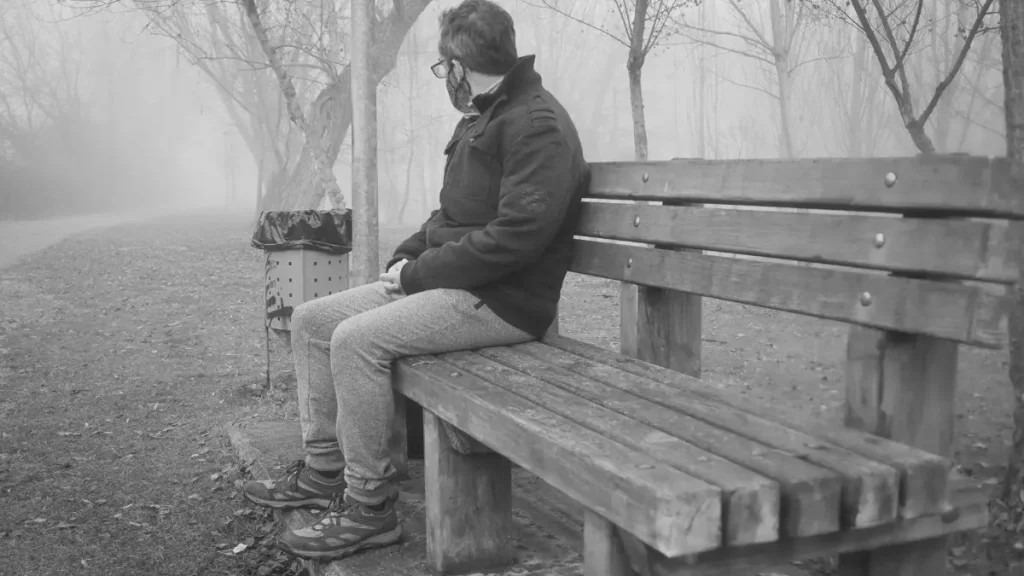
Home education is sometimes framed as withdrawal from the world. But many home educating families would say the opposite: they’re helping their children engage with the world more intentionally.
Instead of learning about society through textbooks or assemblies, home educated children get to learn through local projects, volunteering, activism, travel, museums, community work, nature groups, intergenerational relationships, entrepreneurship, creative projects, and everyday life.
Home education can give children time to ask bigger questions:
- Who am I?
- What do I care about?
- How does the world work?
- What problems need solving?
- What kind of person do I want to become?
- How can I contribute?
That doesn’t sound like opting out. That sounds like learning how to take part.
So, what is home education?
Home education isn’t one single thing. It’s an umbrella term for many different ways of learning outside full-time, traditional school. It can be structured or flexible, parent-led or child-led, academic or practical, calm or busy, exam-focused or interest-led.
At its best, home education is:
- personalised
- responsive
- relational
- flexible
- purposeful
- creative
- rooted in the child’s needs
- connected to real life
Home education asks us to rethink what learning can look like when we stop assuming that education only counts if it happens in a classroom.
Final thoughts
The conversation around home education is often too simplistic. On one side, people sometimes romanticise it as a perfect, peaceful alternative to school. On the other side, people dismiss it as irresponsible, isolating or inferior. The truth is, it sits somewhere in the middle. Somewhere more human.
Home education can be beautiful. It can be challenging. It can be structured. It can be flexible. It can be chosen joyfully. It can be chosen because school has caused harm. It can be temporary. It can be long-term. It can look different from family to family. But different doesn’t mean lesser.
If we want an education system that truly serves children, we need to stop treating school as the only legitimate form of learning. We need to recognise that children are different, families are different, and education can happen in more than one way.
Home education isn’t about rejecting learning. For many families, it’s about reclaiming it.
Considering home education but don’t know where to start?
I’ve put together a free toolkit for parents wanting to learn more about home-education. Download it now for practical ideas, gentle guidance, and flexible learning resources to help you support your child in a way that feels calm, creative and human.