

If you are considering home education but have ever asked yourself: Am I clever enough to teach my child? Then you’re not alone. This is a common fear amongst many parents considering home education. It can feel as though you need to know everything, have every answer and somehow become a perfect all-round teacher overnight.
The good news is that home education doesn’t work like that. You don’t need to know everything in order to support your child’s learning well, and here’s why…
1. Teachers don’t know everything

One of the biggest myths about education is that teachers know everything. They don’t.
Teacher training is important, but it is not some magical process that leaves people knowing every subject in depth and every answer instantly. In reality, many teachers begin teaching feeling like they have no idea where to start. What teacher’s do, is start off with some knowledge then learn the rest on the job. As an ex classroom teacher myself, I know this first-hand.
The truth is that teachers are not successful because they know everything. Often, they are successful because they stay curious, keep learning, and are willing to say, “I do not know, but let’s find out together.”
That mindset matters just as much in home education.
Your child does not need you to be a walking encyclopaedia. They need you to be engaged, honest and willing to learn alongside them.
2. Home education does not mean doing it all alone
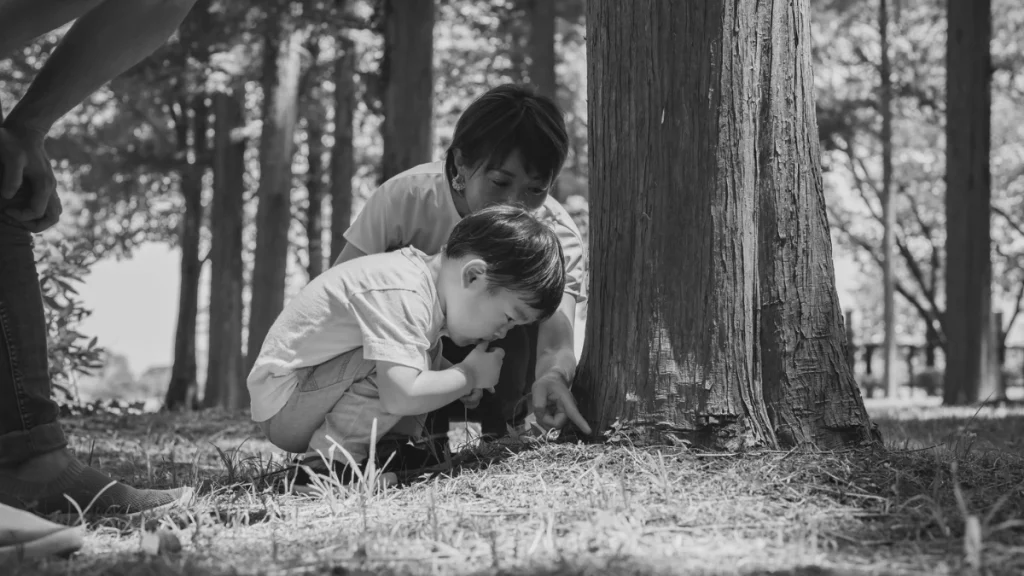
This is another really important point.
Many people imagine home education as one parent personally teaching every subject, every day, with no outside help. But that is not how many home educating families actually live.
Lots of home educators outsource parts of learning.
For example:
- if I cannot teach my child skateboarding, we go to skateboarding lessons
- if we want to learn how to paint something specific, we might use YouTube
- if one of my children ever wants to learn algebra in more depth, I would happily hire a tutor
That is still home education.
Home education does not mean you have to teach your child everything yourself. It means you take responsibility for their education and help them access what they need. That might come through books, online courses, workshops, clubs, tutors, sports, classes, community groups, educational services, or other people with skills you do not have.
There are so many resources available, both free and paid. You are allowed to use them.
3. If you are willing to learn, you are already in a strong position
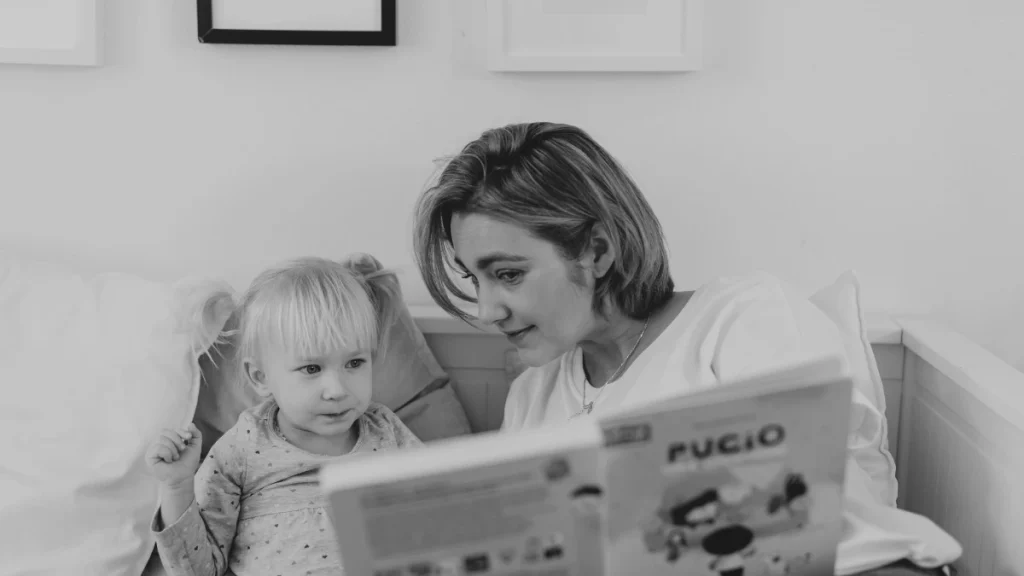
This, to me, is one of the most important parts.
You do not need to have everything figured out before you begin. You do not need a perfect long-term plan, a full curriculum, or a detailed answer for every future question.
What helps most is being willing to learn.
That might mean:
- reading books
- watching TED Talks
- listening to podcasts
- asking questions
- learning from other home educating parents
- using social media wisely
- saving ideas to Pinterest
- exploring resources as your child’s needs change
If you are open, reflective, and willing to grow, you are already bringing something valuable to your child’s education.
Many parents worry that not knowing enough disqualifies them. In reality, learning as you go is often part of the process.
What matters more than being “clever enough”
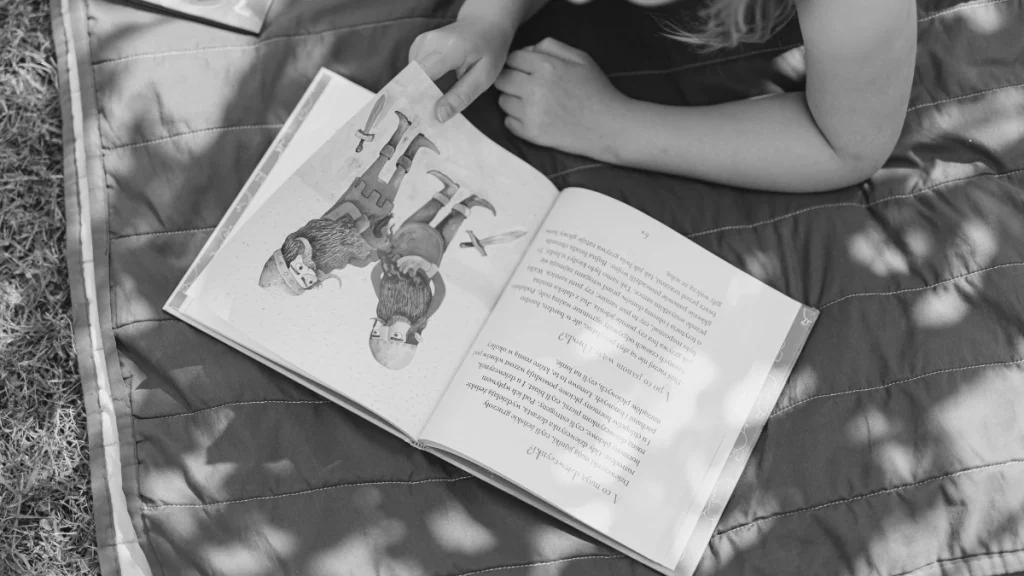
If you strip this fear right back, what usually matters most is not whether you are the smartest person in the room. It is whether you can:
- support your child consistently
- stay curious
- help them access resources
- recognise when they need outside support
- adapt as they grow
- build learning around who they are
That is very different from needing to know everything yourself.
A parent who is engaged, honest, resourceful, and willing to keep learning can offer a huge amount.
A gentle reminder

Home education is not about proving that you are clever enough. It is about creating an environment where learning can happen.
Sometimes that means teaching directly. Sometimes it means stepping back and finding the right support. Sometimes it means saying, “I am not sure, let’s learn this together.”
That is not a weakness. That is a strength.
FAQs
Do I need to be clever to home educate my child?
No. You do not need to know everything. What matters more is your willingness to support your child’s learning and use the help available.
Do I need teaching qualifications to home educate?
No. Home educating parents do not need to be qualified teachers.
What if I cannot teach every subject?
You do not have to. Many home educating families use tutors, classes, online resources, YouTube, clubs, and workshops.
Can I home educate if I am still learning too?
Yes. Many parents learn alongside their children. Being willing to learn is a real strength in home education.
What is the most important thing in home education?
More than anything else, it is about creating a learning environment that is supportive, flexible, and suited to your child’s needs.
Conclusion
If you are wondering whether you are clever enough to teach your child at home, the answer is that you do not need to know everything to do this well. Teachers do not know everything. Home educators do not do everything alone. And a willingness to keep learning will take you much further than pretending to have all the answers.
If self-doubt is making home education feel intimidating, download our free Home Ed Toolkit. It is packed with supportive guides, practical tips, and useful resources to help you feel more confident about whether home education is the right fit for your family.