

Introduction
If you are looking for home education activities that build connection, you are not alone. Many home educating parents want learning to feel calmer, warmer, and more relational, but real life can quickly become focused on routines, resources, and getting through the day. The good news is that connection does not need to be complicated. In this post, we will explore 10 simple home education activities that build connection, help your child feel safe and seen, and strengthen your relationship along the way.
What are the best home education activities that build connection?
The best home education activities that build connection are usually the ones that create shared attention, enjoyment, conversation, and emotional safety. They do not need to be expensive, elaborate, or highly structured. Simple activities like reading aloud, cooking together, nature walks, games, and creative projects can help home educating families strengthen trust, closeness, and communication while learning together.
Why connection matters in home education
Connection is not separate from learning. For many children, especially those who are overwhelmed, anxious, neurodivergent, or recovering from difficult school experiences, feeling safe in relationship is part of what makes learning possible in the first place.
When children feel relaxed, understood, and emotionally secure, they are often more open to curiosity, challenge, and shared experiences. That is why relationship-building activities for children matter so much in home education. They help create the conditions for learning without relying purely on pressure or performance.
1. Read aloud together

Reading aloud is one of the simplest bonding activities for parents and children. It creates closeness, shared focus, and natural opportunities for conversation.
You can read:
- novels
- poetry
- comics
- non-fiction
- magazines
- short stories
It does not matter if your child can already read independently. Reading together can still feel grounding and connective, especially when the pace of the day has felt busy or dysregulated.
2. Go on a nature walk with no agenda

A slow walk with no pressure to achieve anything can be one of the best home ed activities for families. Let your child notice what interests them. Look at clouds, birds, trees, insects, puddles, or seasonal changes.
This kind of activity builds connection because it allows you to be alongside your child rather than directing them. It can also create space for relaxed conversation that does not feel forced.
3. Cook or bake together

Cooking together offers a natural mix of teamwork, practical learning, and shared enjoyment. It can also feel less intense than sitting face to face trying to have a serious conversation.
Try:
- baking simple muffins
- making soup
- decorating biscuits
- creating a snack platter
- following a recipe together
This is one of those home education activities that build connection while also supporting life skills, independence, and confidence.
4. Make something side by side
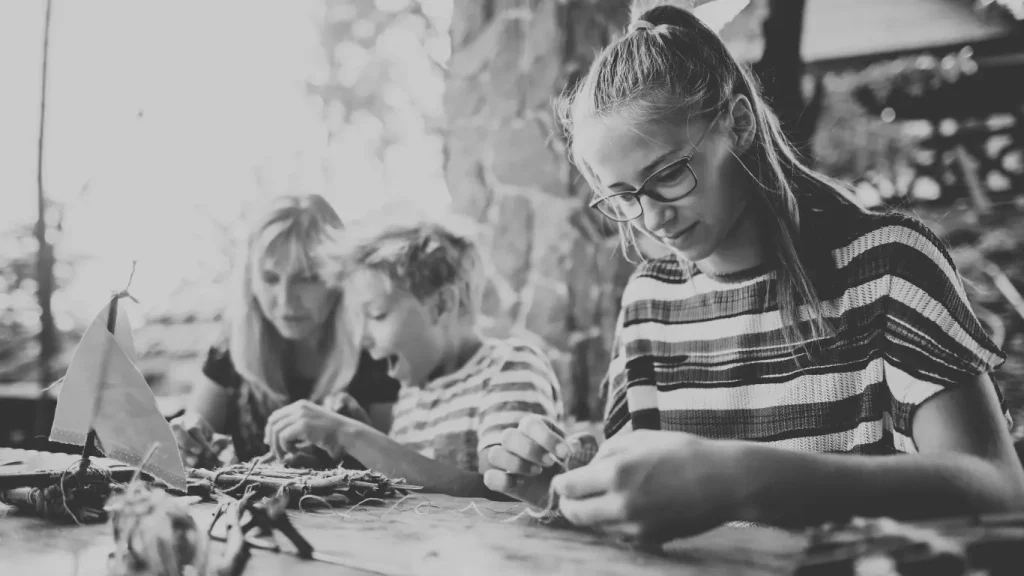
Creative activities often help children open up more easily. Drawing, painting, clay, Lego, junk modelling, sewing, collage, and crafting all create opportunities for calm shared time.
The focus does not need to be on the finished result. The real value often lies in the sense of being together, creating together, and enjoying one another’s company without pressure.
5. Play games together

Games are powerful connection activities for home educating families because they bring in laughter, turn-taking, cooperation, and lightness.
This could include:
- card games
- board games
- dice games
- movement games
- memory games
- simple made-up games
Not everything in home education has to feel productive in the formal sense. Play is often where some of the most meaningful connection happens.
6. Start a shared project
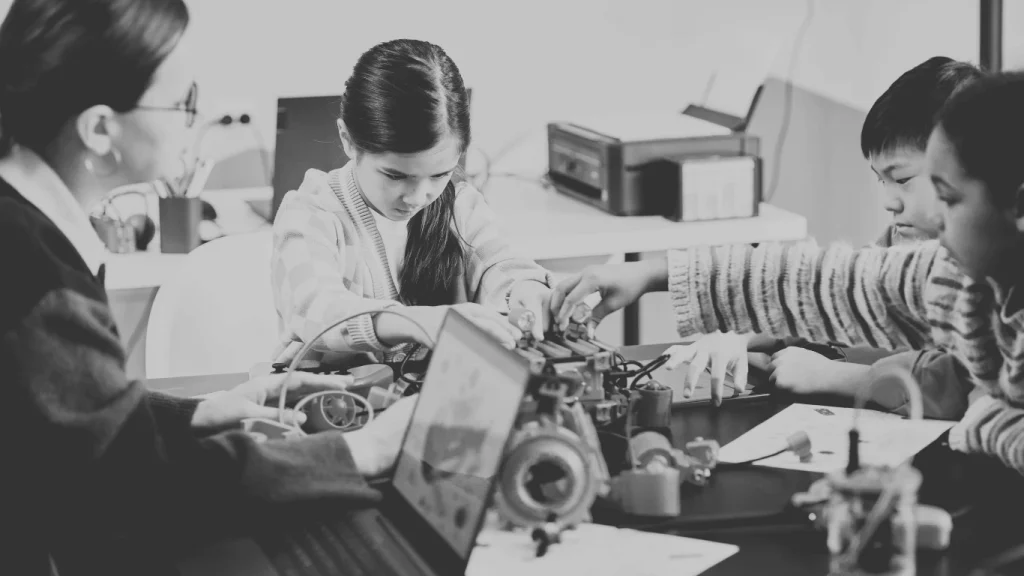
A shared project can create a strong sense of “we are doing this together”. It gives you something to return to over time and can help strengthen your bond through repeated shared effort.
Ideas include:
- growing vegetables
- making a scrapbook
- building a bird feeder
- starting a family book journal
- researching a favourite topic
- creating a nature notebook
These kinds of activities to strengthen connection with your child can be especially helpful if your days have started to feel fragmented or task-heavy.
7. Have a child-led hour
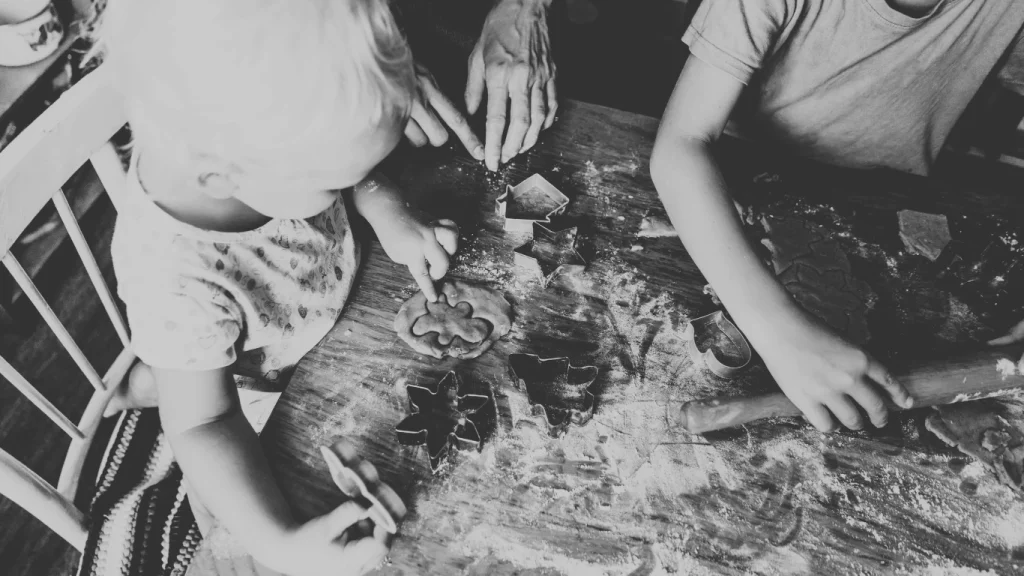
Set aside a little time where your child gets to lead the play or activity and you simply join them. This might mean building dens, dressing up, making up stories, drawing characters, or inventing a game.
Child-led time helps children feel valued. It shows them that their ideas, interests, and world matter. That can be deeply connective, especially for children who are used to adults mostly directing them.
8. Learn something new together

Choose something neither of you has mastered and explore it side by side. This helps shift the dynamic away from pressure and towards shared curiosity.
You could try:
- learning basic sign language
- bird spotting
- yoga
- photography
- gardening
- a simple craft skill
- beginner science experiments
This is one of the most effective home education activities that build connection because it places you both in the role of learner.
9. Create regular one-to-one check-ins

Connection does not always come from a formal activity. Sometimes it grows through small, predictable moments of undivided attention.
You might try:
- a bedtime chat
- a weekly café stop
- hot chocolate together
- a walk round the block
- sitting together after lunch
- a quiet check-in in the car
These moments can help your child feel seen and emotionally held, which is especially important in the flow of everyday home education.
10. Build family rituals into your week

Some of the best bonding activities for home ed families are the ones you repeat again and again. Rituals create steadiness, familiarity, and a sense of belonging.
Examples might include:
- library day
- Friday baking
- Monday morning poetry
- lunchtime read-aloud
- evening walks
- weekend board games
These rhythms do not need to be rigid. They just help create reliable touchpoints of connection in family life.
What if connection feels hard right now?
Sometimes parents read lists like this and feel guilty because things have been tense, disconnected, or overwhelming. If that is you, please know that connection does not have to begin with a perfect plan.
A few gentle reminders:
- you do not need to do all 10 ideas
- short moments still matter
- connection often grows through consistency, not intensity
- it is okay to start small
- repair matters more than perfection
If home education has become stressful, going back to connection is never wasted time. In many cases, it is the most important thing you can do.
How to start building more connection in your home education
Choose just one idea from this list and try it this week. Pick something that feels low-pressure, realistic, and enjoyable for both of you.
You might start with:
- a read-aloud after lunch
- a short walk together
- baking once a week
- ten minutes of child-led play
- a simple shared project
The goal is not to add more pressure to your home education. The goal is to create small moments that help your child feel safe, valued, and close to you.
Frequently asked questions about home education activities that build connection
What are the best home education activities that build connection?
The best activities are usually simple ones that create shared attention, enjoyment, and conversation, such as reading aloud, cooking, games, walks, and creative projects.
Why is connection important in home education?
Connection helps children feel safe, understood, and emotionally secure. For many children, this creates a stronger foundation for learning, confidence, and cooperation.
Do connection activities need to be educational?
Not in a formal sense. Many connection activities still support communication, creativity, life skills, and emotional development, even if they do not look like traditional lessons.
What if my child resists planned activities?
Start with their interests. Child-led activities, relaxed routines, and simple shared moments often work better than heavily planned ideas when a child is feeling resistant or overwhelmed.
How often should we do connection activities in home education?
There is no perfect number. Even a few small moments of connection each week can make a real difference over time.
Conclusion
Home education activities that build connection do not need to be expensive, elaborate, or perfectly planned. Often, the most meaningful moments come through simple shared experiences that help your child feel safe, seen, and genuinely enjoyed.
If your home education has been feeling a little too focused on doing, this is your reminder that being together matters too. Reading aloud, playing, walking, creating, cooking, and simply slowing down can all help strengthen your relationship. And that relationship is one of the most valuable foundations your child can have.
If you want to make home education feel calmer, warmer, and more connected, start with one small activity this week and build from there. You might also enjoy reading 5 Ways to Build a Stronger Connection With Your Child for more gentle, practical ways to strengthen your relationship.